









EBOOK IN LINGUA STRANIERA





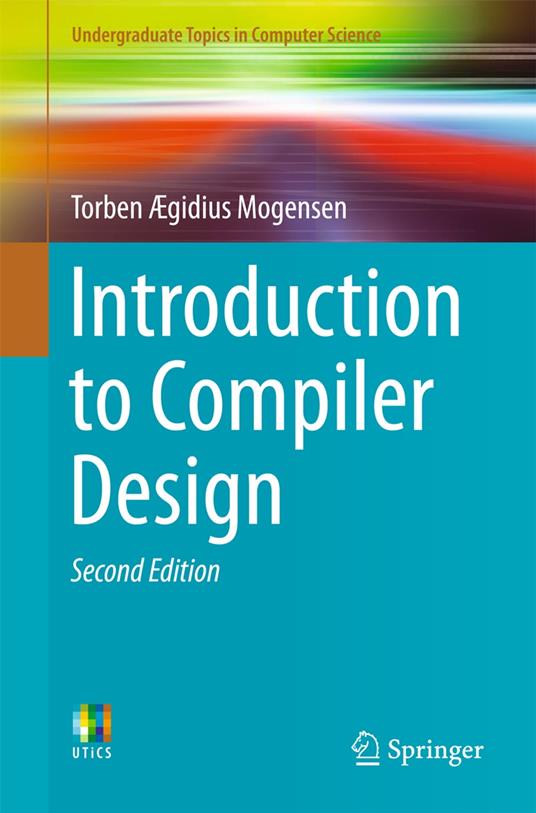
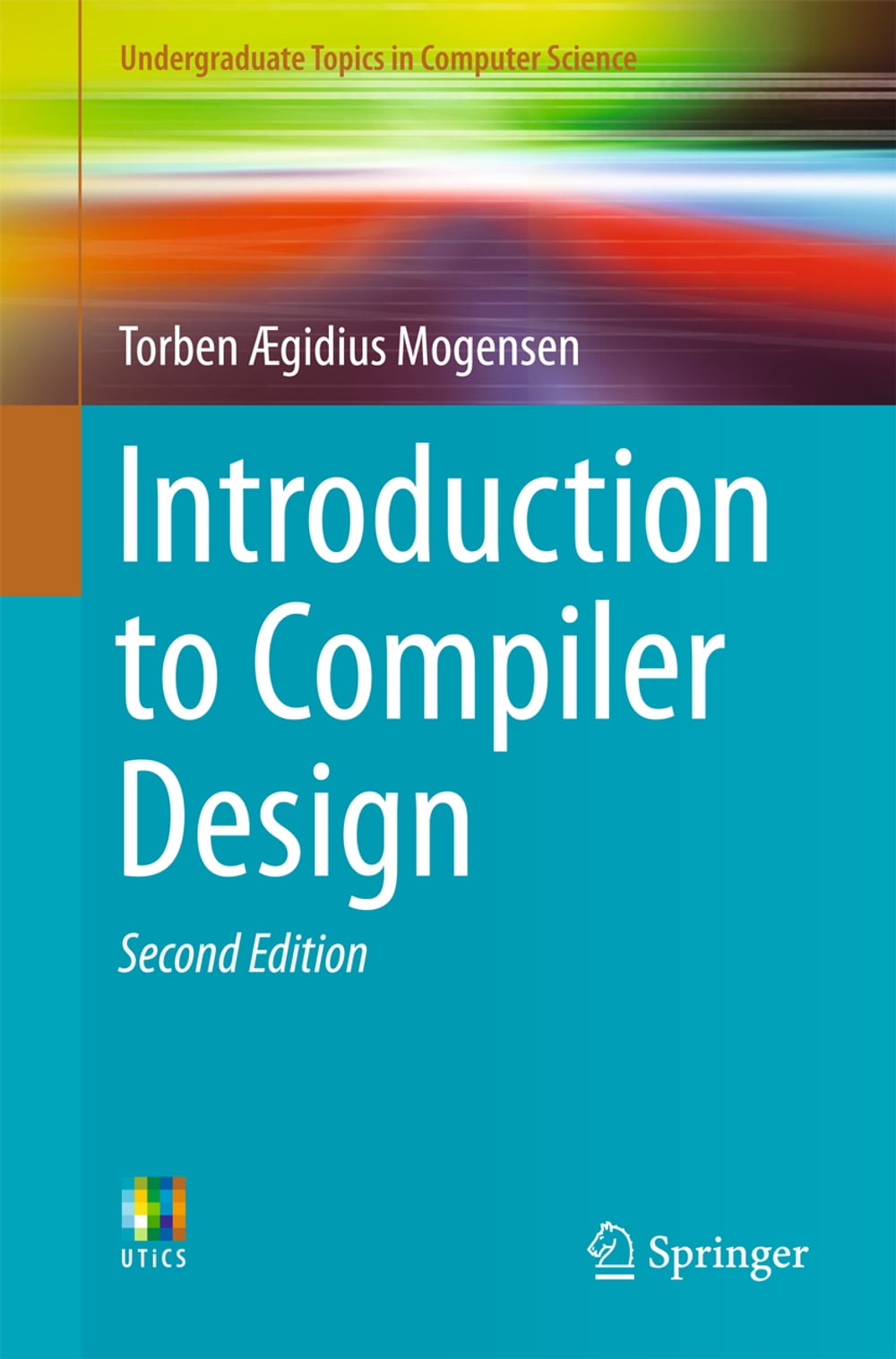
Introduction to Compiler Design

46,79 €
+470
punti 
Venditore: Feltrinelli

Acquista online
Scaricabile subito
Articolo acquistabile con Carta del Docente

Articolo acquistabile con Carta Cultura Giovani e Carta del Merito

Articolo acquistabile con Carta della Cultura

Dati e Statistiche
 Salvato in 0 liste dei desideri
Salvato in 0 liste dei desideri
Introduction to Compiler Design
Scaricabile subito
46,79 €
46,79 €
Scaricabile subito


The second edition of this textbook has been fully revised and adds material about loop optimisation, function call optimisation and dataflow analysis. It presents techniques for making realistic compilers for simple programming languages, using techniques that are close to those used in "real" compilers, albeit in places slightly simplified for presentation purposes. All phases required for translating a high-level language to symbolic machine language are covered, including lexing, parsing, type checking, intermediate-code generation, machine-code generation, register allocation and optimisation, interpretation is covered briefly. Aiming to be neutral with respect to implementation languages, algorithms are presented in pseudo-code rather than in any specific programming language, but suggestions are in many cases given for how these can be realised in different language flavours. Introduction to Compiler Design is intended for an introductory course in compiler design, suitable for both undergraduate and graduate courses depending on which chapters are used.
-
Autore:
-
Anno edizione:2017
-
Editore:
-
Formato:
-
Lingua:Inglese
Compatibilità:
Tutti i dispositivi (eccetto Kindle) Scopri di più
Layout:
Reflowable
EAN:
9783319669663

Formato:
Gli eBook venduti da Feltrinelli.it sono in formato ePub e possono essere protetti da Adobe DRM. In caso di download di un file protetto da DRM si otterrà un file in formato .acs, (Adobe Content Server Message), che dovrà essere aperto tramite Adobe Digital Editions e autorizzato tramite un account Adobe, prima di poter essere letto su pc o trasferito su dispositivi compatibili.
Cloud:
Gli eBook venduti da Feltrinelli.it sono sincronizzati automaticamente su tutti i client di lettura Kobo successivamente all’acquisto. Grazie al Cloud Kobo i progressi di lettura, le note, le evidenziazioni vengono salvati e sincronizzati automaticamente su tutti i dispositivi e le APP di lettura Kobo utilizzati per la lettura.
Clicca qui per sapere come scaricare gli ebook utilizzando un pc con sistema operativo Windows
