









EBOOK IN LINGUA STRANIERA





Invisible Monuments

21,41 €
+210
punti 
Venditore: Feltrinelli
Articolo acquistabile con Carta del Docente

Articolo acquistabile con Carta Cultura Giovani e Carta del Merito

Articolo acquistabile con Carta della Cultura

Dati e Statistiche
 Salvato in 0 liste dei desideri
Salvato in 0 liste dei desideri
Invisible Monuments
Disponibile dal 20 ottobre 2026
21,41 €
21,41 €
Disponibile dal 20 ottobre 2026
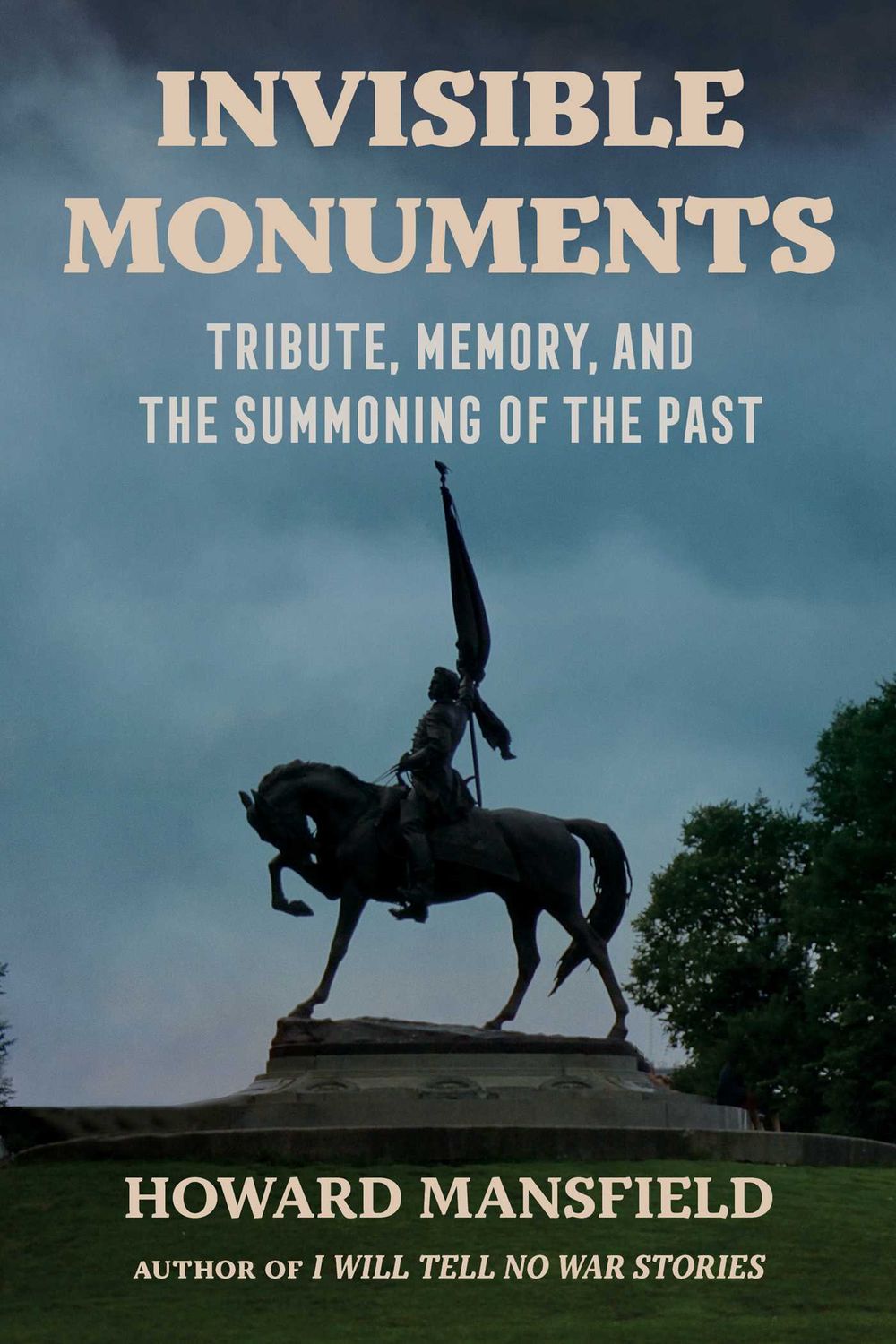


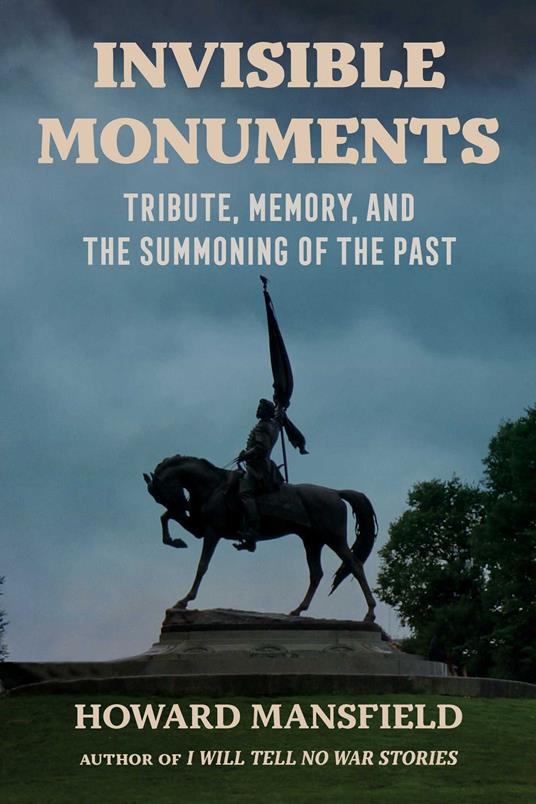
“Howard Mansfield has never written an uninteresting or dull sentence. All of his books are emotionally and intellectually nourishing. He is something like a cultural psychologist along with being a first-class cultural historian. He is humane, witty, bright-minded, and rigorously intelligent. His deep subject is Time: how we deal with it and how it deals with us.” —Guy Davenport, poet, translator, critic, and author of The Death of Picasso and The Geography of the Imagination We live in an era of monument building, yet we don’t look at most of the monuments and memorials around us. They disappear from view. Think of all the mute memorials you may pass in a week that are unseen, a blurred background to your daily commute: the green-mottled great man on his horse, hosting only pigeons; the curious obelisk looking like a stunted Washington Monument; the historical marker crowded with so many words it looks like a warning label written by a cadre of liability lawyers. So much narrative left out in the weather, so much storytelling that has lost its way. Any monument that we stand before asks something of us. Think of monuments as the first part of a call and response, as in music, as in worship. We bring our sense of history to the present, otherwise the granite/marble/limestone/bronze before us will be mute. Some monuments do elicit a strong emotional response even after many decades. Why do these work, when others don’t? Invisible Monuments is about tribute, memory, and the summoning of the past. Howard Mansfield is a ‘whisperer’ of everyday things: sheds, mountains, meeting houses, the seasons themselves,” says Ted Reinstein, anchor, of the TV news magazine Chronicle. “In his skilled and poetic hands, the simple and familiar are revealed in a complexity and eloquence we never imagined. Invisible Monuments further highlights his extraordinary gifts of language and insight. That time-worn statue in the park that anonymously blends into the scenery? You will never look at it the same way again.”
-
Autore:
-
Anno edizione:2026
-
Editore:
-
Formato:
-
Lingua:Inglese
Compatibilità:
Tutti i dispositivi (eccetto Kindle) Scopri di più
Layout:
Reflowable
EAN:
9781493097296

Formato:
Gli eBook venduti da Feltrinelli.it sono in formato ePub e possono essere protetti da Adobe DRM. In caso di download di un file protetto da DRM si otterrà un file in formato .acs, (Adobe Content Server Message), che dovrà essere aperto tramite Adobe Digital Editions e autorizzato tramite un account Adobe, prima di poter essere letto su pc o trasferito su dispositivi compatibili.
Cloud:
Gli eBook venduti da Feltrinelli.it sono sincronizzati automaticamente su tutti i client di lettura Kobo successivamente all’acquisto. Grazie al Cloud Kobo i progressi di lettura, le note, le evidenziazioni vengono salvati e sincronizzati automaticamente su tutti i dispositivi e le APP di lettura Kobo utilizzati per la lettura.
Clicca qui per sapere come scaricare gli ebook utilizzando un pc con sistema operativo Windows
