









EBOOK IN LINGUA STRANIERA





Julius Caesar

2,99 €
+30
punti 
Venditore: Feltrinelli

Acquista online
Scaricabile subito
Articolo acquistabile con Carta del Docente

Articolo acquistabile con Carta Cultura Giovani e Carta del Merito

Articolo acquistabile con Carta della Cultura

Abbonati a Kobo plus per avere accesso illimitato a questo contenuto

Dati e Statistiche
 Salvato in 0 liste dei desideri
Salvato in 0 liste dei desideri
Julius Caesar
Scaricabile subito
2,99 €
2,99 €
Scaricabile subito

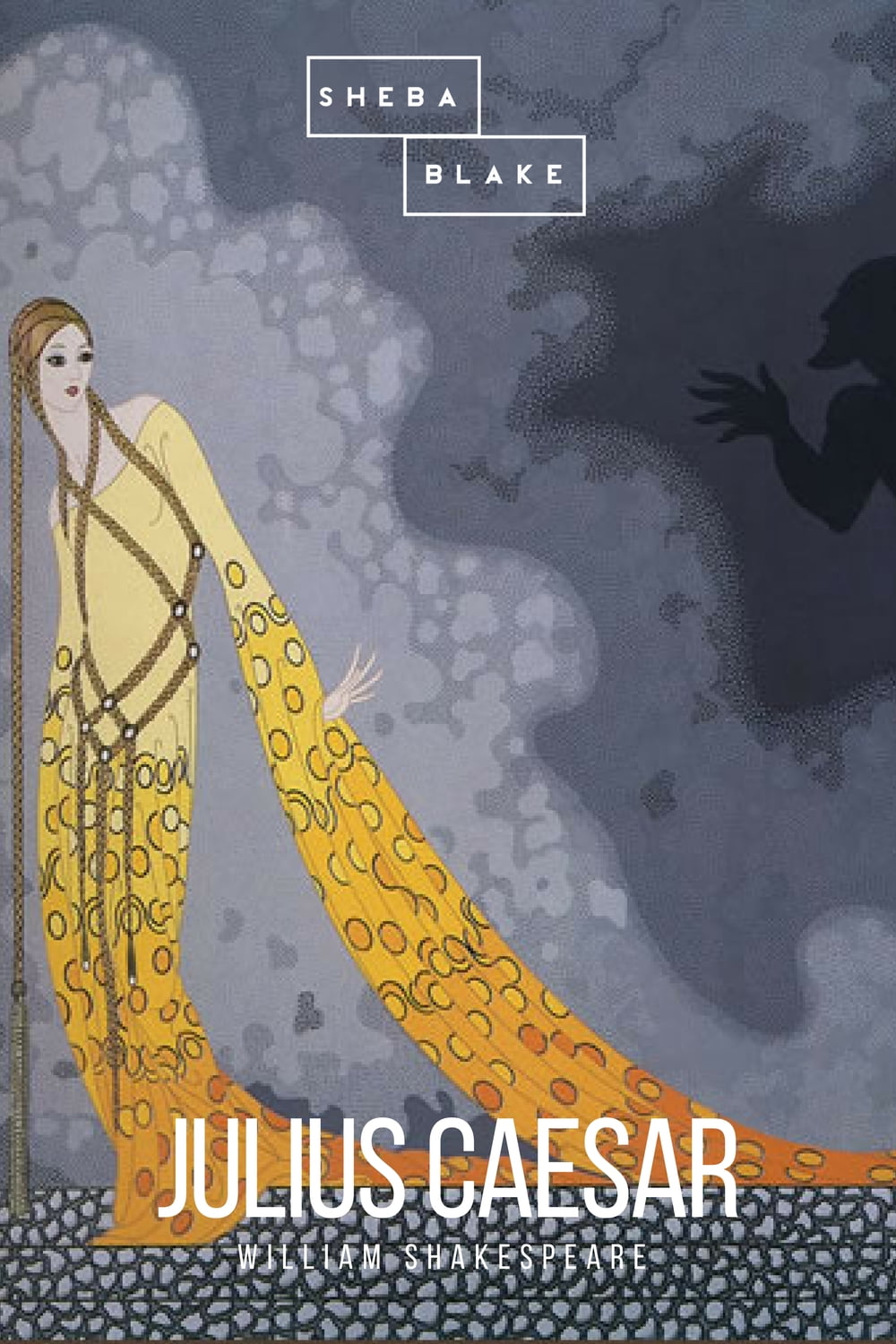


Julius Caesar is a tragedy by William Shakespeare, believed to have been written in 1599. It is one of several plays written by Shakespeare based on true events from Roman history, which also include Coriolanus and Antony and Cleopatra. Although the title is Julius Caesar, Brutus speaks more than four times as many lines, and the central psychological drama of the play focuses on Brutus' struggle between the conflicting demands of honor, patriotism, and friendship. The play opens with the commoners of Rome celebrating Caesar's triumphant return from defeating Pompey's sons at the battle of Munda. Two tribunes, Flavius and Marrullus, discover the commoners celebrating, insult them for their change in loyalty from Pompey to Caesar, and break up the crowd. There are some jokes made by the commoners, who insult them back. They also plan on removing all decorations from Caesar's statues and ending any other festivities. In the next scene, during Caesar's parade on the feast of Lupercal, a soothsayer warns Caesar to "Beware the ides of March", a warning he disregards. The action then turns to the discussion between Brutus and Cassius. In this conversation, Cassius attempts to influence Brutus' opinions into believing Caesar should be killed, preparing to have Brutus join his conspiracy to kill Caesar. They then hear from Casca that Mark Antony has offered Caesar the crown of Rome three times and that each time Caesar refused it, fainting after the last refusal. Later, in act two, Brutus joins the conspiracy, although after much moral debate, eventually deciding that Caesar, although his friend and never having done anything against the people of Rome, should be killed to prevent him from doing anything against the people of Rome if he were ever to be crowned. He compares Caesar to "A serpents egg/ which hatch'd, would, as his kind, grow mischievous,/ and kill him in the shell.", and decides to join Cassius in killing Caesar.
-
Autore:
-
Anno edizione:2017
-
Editore:
-
Formato:
-
Lingua:Inglese
Compatibilità:
Tutti i dispositivi (eccetto Kindle) Scopri di più
Layout:
Reflowable
EAN:
9783961893553


Formato:
Gli eBook venduti da Feltrinelli.it sono in formato ePub e possono essere protetti da Adobe DRM. In caso di download di un file protetto da DRM si otterrà un file in formato .acs, (Adobe Content Server Message), che dovrà essere aperto tramite Adobe Digital Editions e autorizzato tramite un account Adobe, prima di poter essere letto su pc o trasferito su dispositivi compatibili.
Cloud:
Gli eBook venduti da Feltrinelli.it sono sincronizzati automaticamente su tutti i client di lettura Kobo successivamente all’acquisto. Grazie al Cloud Kobo i progressi di lettura, le note, le evidenziazioni vengono salvati e sincronizzati automaticamente su tutti i dispositivi e le APP di lettura Kobo utilizzati per la lettura.
Clicca qui per sapere come scaricare gli ebook utilizzando un pc con sistema operativo Windows
