










EBOOK IN LINGUA STRANIERA





Machine Learning in VLSI Computer-Aided Design

177,83 €
+1780
punti 
Venditore: Feltrinelli

Acquista online
Scaricabile subito
Articolo acquistabile con Carta del Docente

Articolo acquistabile con Carta Cultura Giovani e Carta del Merito

Articolo acquistabile con Carta della Cultura

Dati e Statistiche
 Salvato in 0 liste dei desideri
Salvato in 0 liste dei desideri
Machine Learning in VLSI Computer-Aided Design
Scaricabile subito
177,83 €
177,83 €
Scaricabile subito

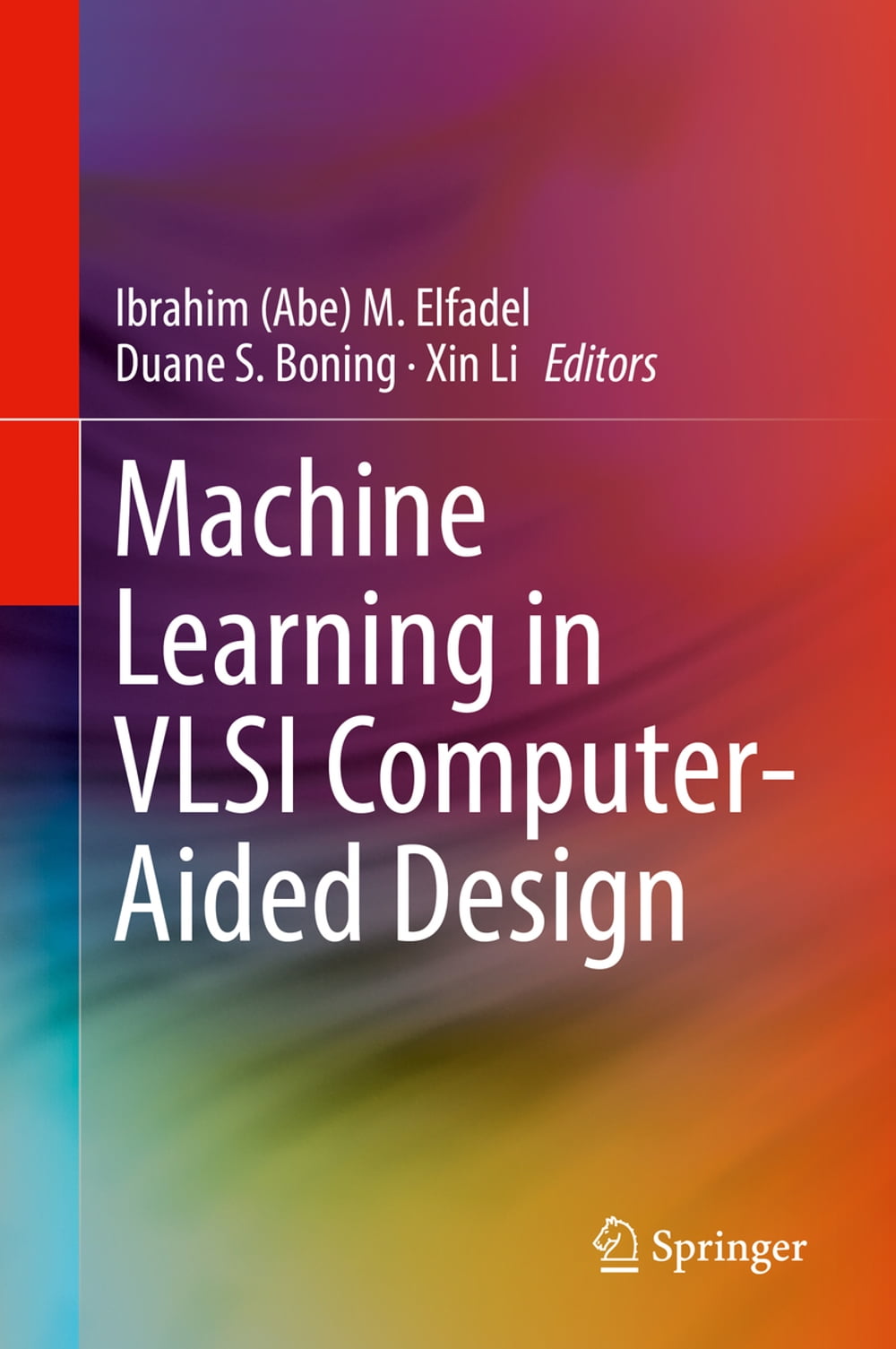



This book provides readers with an up-to-date account of the use of machine learning frameworks, methodologies, algorithms and techniques in the context of computer-aided design (CAD) for very-large-scale integrated circuits (VLSI). Coverage includes the various machine learning methods used in lithography, physical design, yield prediction, post-silicon performance analysis, reliability and failure analysis, power and thermal analysis, analog design, logic synthesis, verification, and neuromorphic design. Provides up-to-date information on machine learning in VLSI CAD for device modeling, layout verifications, yield prediction, post-silicon validation, and reliability; Discusses the use of machine learning techniques in the context of analog and digital synthesis; Demonstrates how to formulate VLSI CAD objectives as machine learning problems and provides a comprehensive treatment of their efficient solutions; Discusses the tradeoff between the cost of collecting data and prediction accuracy and provides a methodology for using prior data to reduce cost of data collection in the design, testing and validation of both analog and digital VLSI designs. From the Foreword As the semiconductor industry embraces the rising swell of cognitive systems and edge intelligence, this book could serve as a harbinger and example of the osmosis that will exist between our cognitive structures and methods, on the one hand, and the hardware architectures and technologies that will support them, on the other….As we transition from the computing era to the cognitive one, it behooves us to remember the success story of VLSI CAD and to earnestly seek the help of the invisible hand so that our future cognitive systems are used to design more powerful cognitive systems. This book is very much aligned with this on-going transition from computing to cognition, and it is with deep pleasure thatI recommend it to all those who are actively engaged in this exciting transformation. Dr. Ruchir Puri, IBM Fellow, IBM Watson CTO & Chief Architect, IBM T. J. Watson Research Center
-
Curatore:
-
Anno edizione:2019
-
Editore:
-
Formato:
Lingua:
Inglese
Compatibilità:
Tutti i dispositivi (eccetto Kindle) Scopri di più
Layout:
Reflowable
EAN:
9783030046668

Formato:
Gli eBook venduti da Feltrinelli.it sono in formato ePub e possono essere protetti da Adobe DRM. In caso di download di un file protetto da DRM si otterrà un file in formato .acs, (Adobe Content Server Message), che dovrà essere aperto tramite Adobe Digital Editions e autorizzato tramite un account Adobe, prima di poter essere letto su pc o trasferito su dispositivi compatibili.
Cloud:
Gli eBook venduti da Feltrinelli.it sono sincronizzati automaticamente su tutti i client di lettura Kobo successivamente all’acquisto. Grazie al Cloud Kobo i progressi di lettura, le note, le evidenziazioni vengono salvati e sincronizzati automaticamente su tutti i dispositivi e le APP di lettura Kobo utilizzati per la lettura.
Clicca qui per sapere come scaricare gli ebook utilizzando un pc con sistema operativo Windows
