









EBOOK IN LINGUA STRANIERA





Modern Risk Quantification in Complex Projects

88,29 €
+880
punti 
Prezzo minimo ultimi 30 giorni: 81,94 €
Venditore: Feltrinelli

Acquista online
Scaricabile subito
Articolo acquistabile con Carta del Docente

Articolo acquistabile con Carta Cultura Giovani e Carta del Merito

Articolo acquistabile con Carta della Cultura

Dati e Statistiche
 Salvato in 0 liste dei desideri
Salvato in 0 liste dei desideri
Modern Risk Quantification in Complex Projects
Scaricabile subito
88,29 €
88,29 €
Scaricabile subito
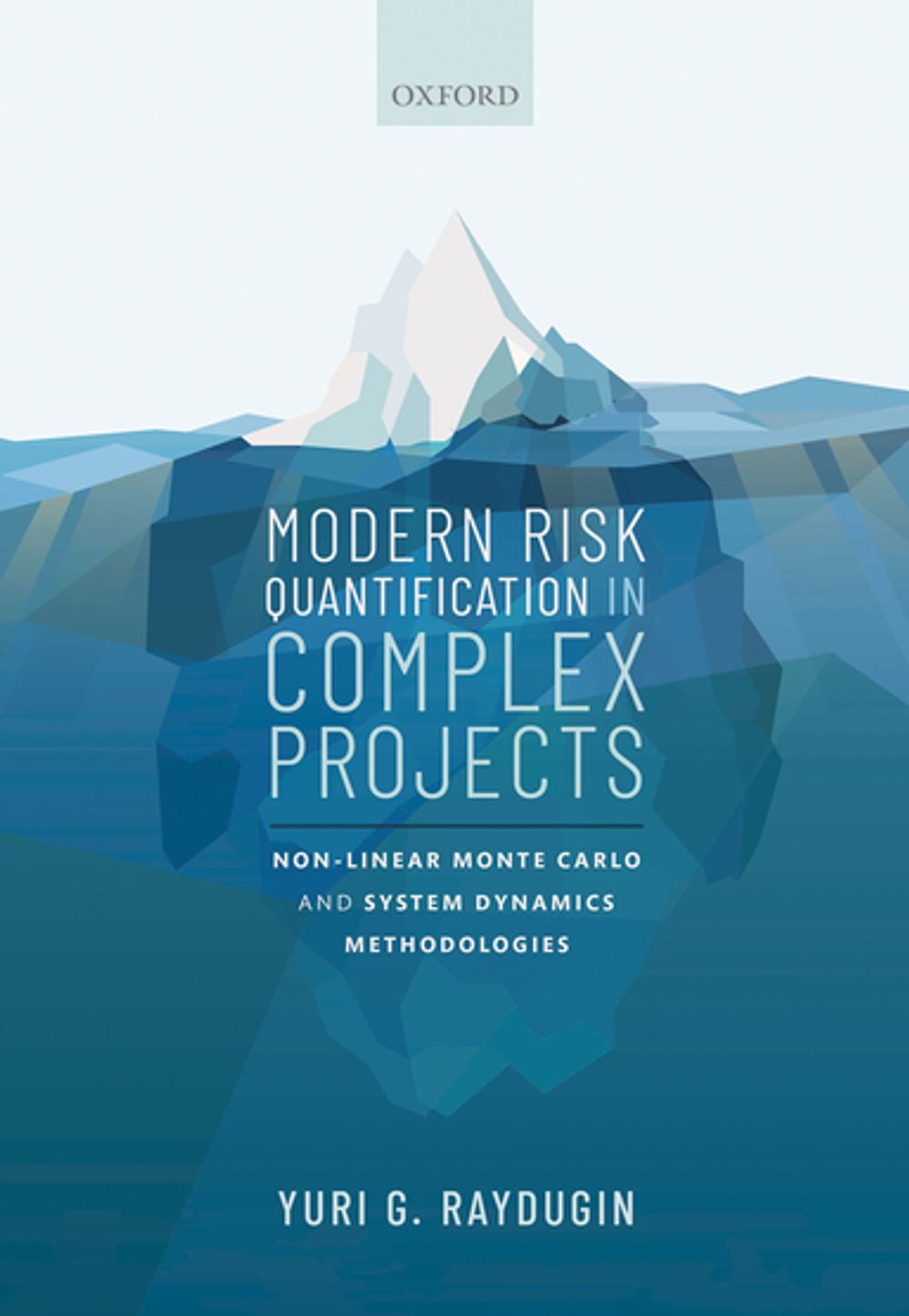


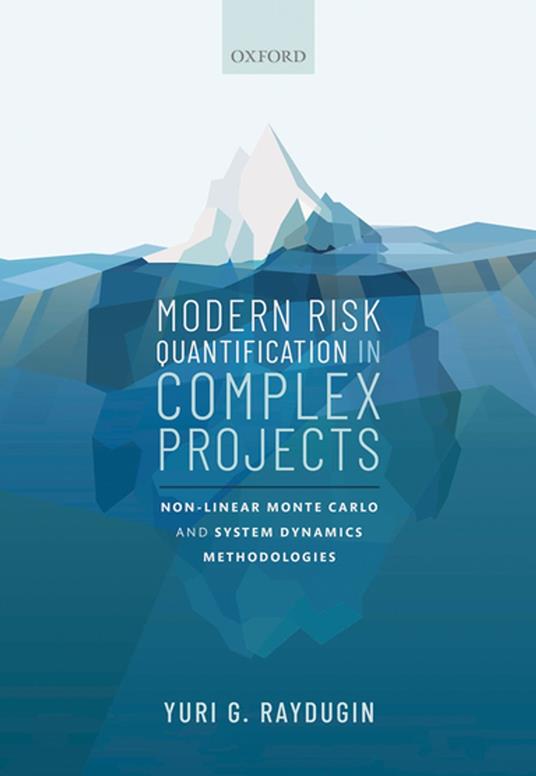
Project practitioners and decision makers complain that both parametric and Monte Carlo methods fail to produce accurate project duration and cost contingencies in majority of cases. Apparently, the referred methods have unacceptably high systematic errors as they miss out critically important components of project risk exposure. In the case of complex projects overlooked are the components associated with structural and delivery complexity. Modern Risk Quantification in Complex Projects: Non-linear Monte Carlo and System Dynamics Methodologies zeroes in on most crucial but systematically overlooked characteristics of complex projects. Any mismatches between two fundamental interacting subsystems - a project structure subsystem and a project delivery subsystem - result in non-linear interactions of project risks. Three kinds of the interactions are distinguished - internal risk amplifications stemming from long-term ('chronic') project system issues, knock-on interactions, and risk compounding. Affinities of interacting risks compose dynamic risk patterns supported by a project system. A methodology to factor the patterns into Monte Carlo modelling referred to as non-linear Monte Carlo schedule and cost risk analysis (N-SCRA) is developed and demonstrated. It is capable to forecast project outcomes with high accuracy even in the case of most complex and difficult projects including notorious projects-outliers: it has a much lower systematic error. The power of project system dynamics is uncovered. It can be adopted as an accurate risk quantification methodology in complex projects. Results produced by the system dynamics and the non-linear Monte Carlo methodologies are well-aligned. All built Monte Carlo and system dynamics models are available on the book's companion website.
-
Autore:
-
Anno edizione:2020
-
Editore:
-
Formato:
-
Lingua:Inglese
Compatibilità:
Tutti i dispositivi (eccetto Kindle) Scopri di più
Layout:
Reflowable
EAN:
9780192582652

Formato:
Gli eBook venduti da Feltrinelli.it sono in formato ePub e possono essere protetti da Adobe DRM. In caso di download di un file protetto da DRM si otterrà un file in formato .acs, (Adobe Content Server Message), che dovrà essere aperto tramite Adobe Digital Editions e autorizzato tramite un account Adobe, prima di poter essere letto su pc o trasferito su dispositivi compatibili.
Cloud:
Gli eBook venduti da Feltrinelli.it sono sincronizzati automaticamente su tutti i client di lettura Kobo successivamente all’acquisto. Grazie al Cloud Kobo i progressi di lettura, le note, le evidenziazioni vengono salvati e sincronizzati automaticamente su tutti i dispositivi e le APP di lettura Kobo utilizzati per la lettura.
Clicca qui per sapere come scaricare gli ebook utilizzando un pc con sistema operativo Windows
