










EBOOK IN LINGUA STRANIERA





Moving Forward

20,06 €
+200
punti 
Venditore: Feltrinelli

Acquista online
Scaricabile subito
Articolo acquistabile con Carta del Docente

Articolo acquistabile con Carta Cultura Giovani e Carta del Merito

Articolo acquistabile con Carta della Cultura

Dati e Statistiche
 Salvato in 0 liste dei desideri
Salvato in 0 liste dei desideri
Moving Forward
Scaricabile subito
20,06 €
20,06 €
Scaricabile subito
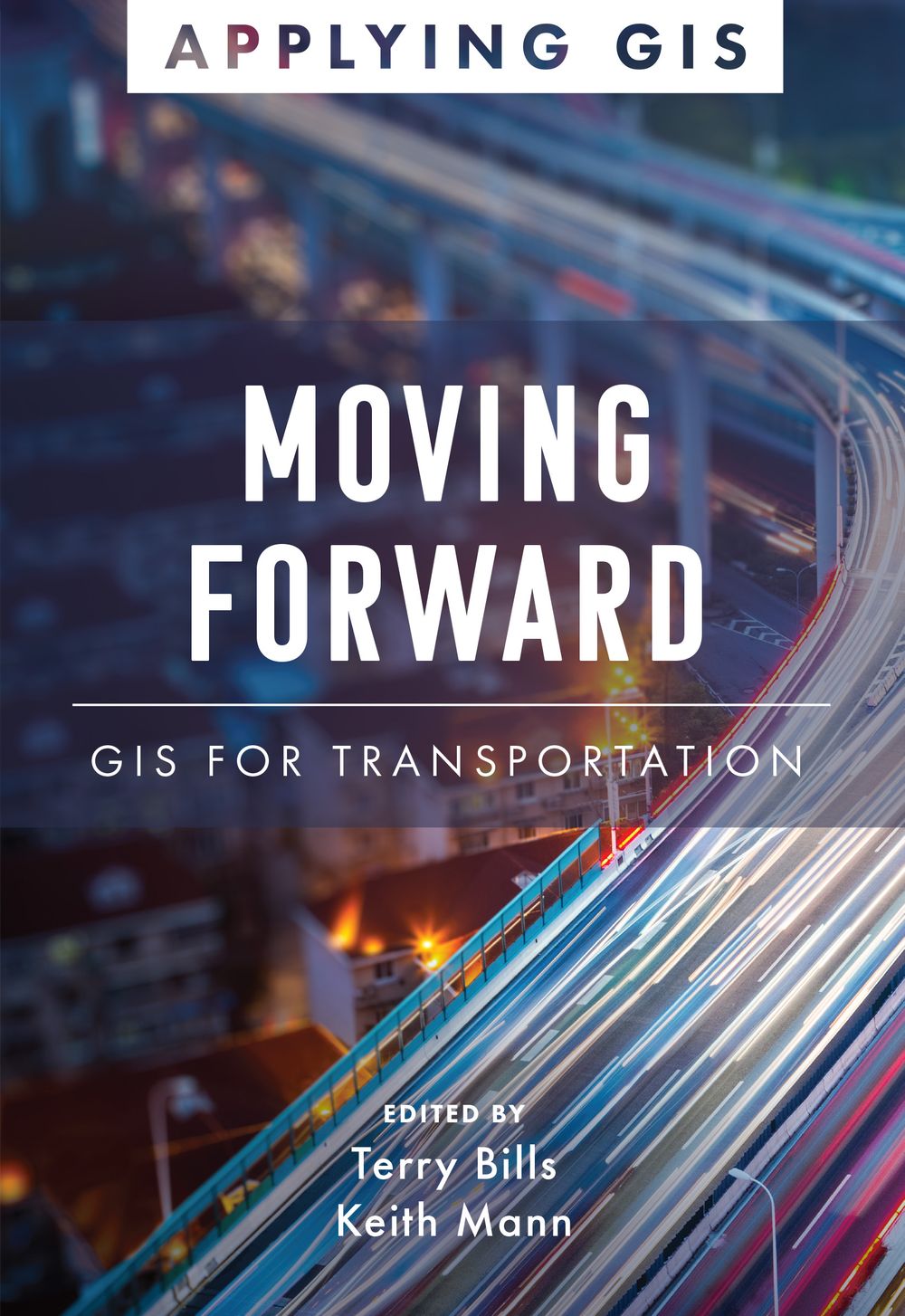


Drive innovation, expand capacity, coordinate maintenance, and reduce costs. Location intelligence is changing the way transportation agencies and departments protect and maintain their infrastructure and achieve operational excellence. Mapping plays a big part, but geospatial analytics, real-time dashboards, and mobile applications are driving new, more efficient workflows and paving the way for innovative, cost-effective solutions. With advancements in smart technologies, location intelligence for transportation management is not just for GIS specialists. In Moving Forward: GIS for Transportation, see how ports, airports, transit authorities, and departments of transportation around the world have implemented geographic information systems (GIS) to visualize and analyze data for operational efficiency, safety and security, asset management, and planning and sustainability. In this collection of case studies and guidance, learn about how GIS was used to: · Expand airport capacity within limited space, while saving millions. · Centralize multi-faceted port security for monitoring daily operations. · Coordinate daily transit maintenance work on $1 trillion in hard assets. · Plan modern data governance for a state-wide department of transportation. Through web apps, online maps, dashboards, and other GIS solutions, transportation professionals develop a deeper understanding of infrastructure maintenance and operational performance within a real-world context, increasing efficiency, while improving communication and collaboration. Discover how GIS and location intelligence are helping transportation organizations strengthen their ability to maintain roads and highways, railway systems, and other vital infrastructures with Moving Forward: Applying GIS for Transportation.
-
Curatore:
-
Anno edizione:2021
-
Editore:
-
Formato:
Lingua:
Inglese
Compatibilità:
Tutti i dispositivi (eccetto Kindle) Scopri di più
Layout:
Reflowable
EAN:
9781589486935

Formato:
Gli eBook venduti da Feltrinelli.it sono in formato ePub e possono essere protetti da Adobe DRM. In caso di download di un file protetto da DRM si otterrà un file in formato .acs, (Adobe Content Server Message), che dovrà essere aperto tramite Adobe Digital Editions e autorizzato tramite un account Adobe, prima di poter essere letto su pc o trasferito su dispositivi compatibili.
Cloud:
Gli eBook venduti da Feltrinelli.it sono sincronizzati automaticamente su tutti i client di lettura Kobo successivamente all’acquisto. Grazie al Cloud Kobo i progressi di lettura, le note, le evidenziazioni vengono salvati e sincronizzati automaticamente su tutti i dispositivi e le APP di lettura Kobo utilizzati per la lettura.
Clicca qui per sapere come scaricare gli ebook utilizzando un pc con sistema operativo Windows
