










EBOOK IN LINGUA STRANIERA





Noah's Ark

22,14 €
+220
punti 
Venditore: Feltrinelli

Acquista online
Scaricabile subito
Articolo acquistabile con Carta del Docente

Articolo acquistabile con Carta Cultura Giovani e Carta del Merito

Articolo acquistabile con Carta della Cultura

Dati e Statistiche
 Salvato in 0 liste dei desideri
Salvato in 0 liste dei desideri
Noah's Ark
Scaricabile subito
22,14 €
22,14 €
Scaricabile subito

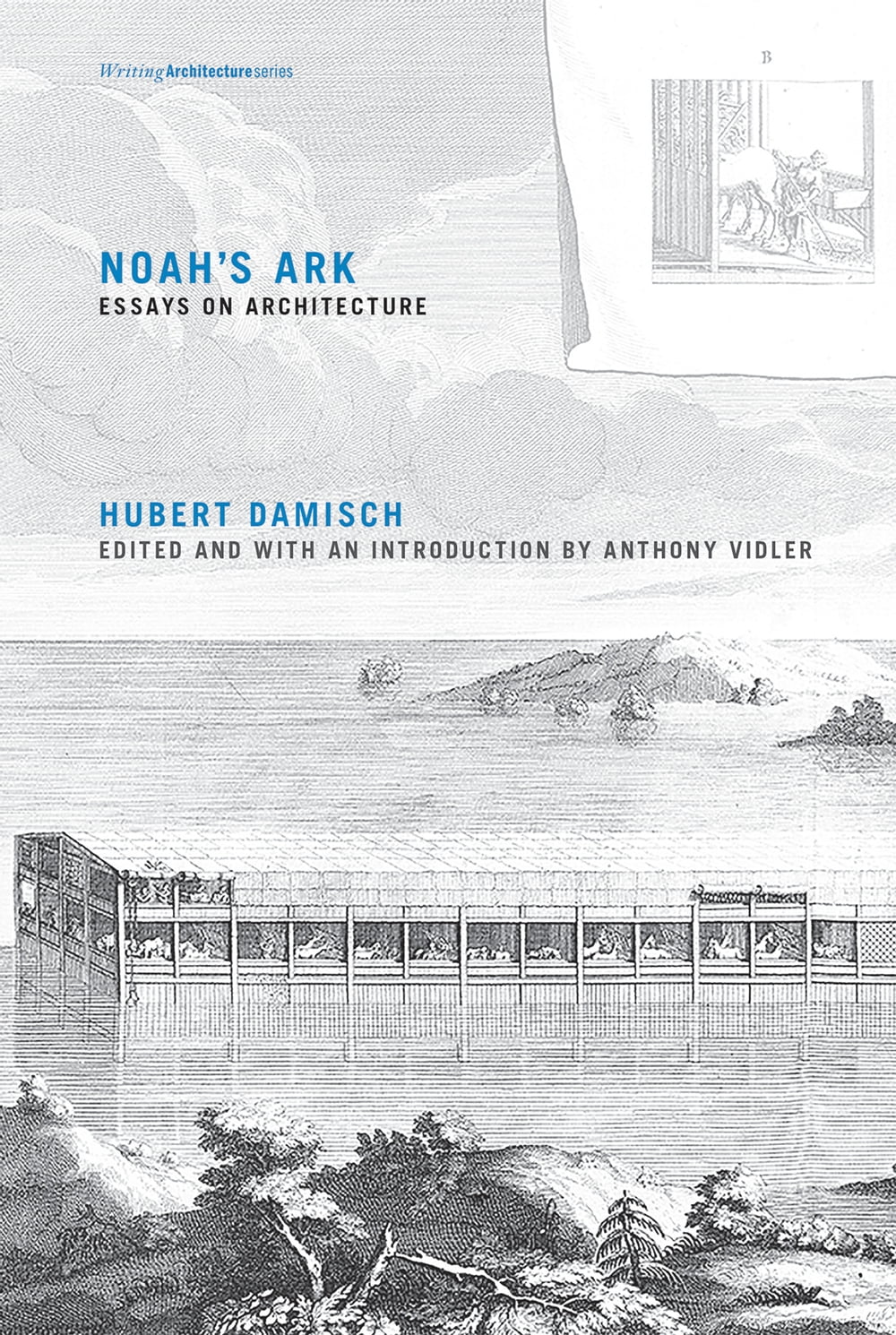



From Noah's Ark to Diller + Scofidio's “Blur” Building, a distinguished art historian maps new ways to think about architecture's origin and development. Trained as an art historian but viewing architecture from the perspective of a “displaced philosopher,” Hubert Damisch in these essays offers a meticulous parsing of language and structure to “think architecture in a different key,” as Anthony Vidler puts it in his introduction. Drawn to architecture because it provides “an open series of structural models,” Damisch examines the origin of architecture and then its structural development from the nineteenth through the twenty-first centuries. He leads the reader from Jean-François Blondel to Eugène Viollet-le-Duc to Mies van der Rohe to Diller + Scofidio, with stops along the way at the Temple of Jerusalem, Vitruvius's De Architectura, and the Louvre. In the title essay, Damisch moves easily from Diderot's Encylopédie to Noah's Ark (discussing the provisioning, access, floor plan) to the Pan American Building to Le Corbusier to Ground Zero. Noah's Ark marks the origin of construction, and thus of architecture itself. Diderot's Encylopédie entry on architecture followed his entry on Noah's Ark; architecture could only find its way after the Flood. In these thirteen essays, written over a span of forty years, Damisch takes on other histories and theories of architecture to trace a unique trajectory of architectural structure and thought. The essays are, as Vidler says, “a set of exercises” in thinking about architecture.
-
Autore:
-
Curatore:
-
Anno edizione:2016
-
Editore:
-
Formato:
Lingua:
Inglese
Compatibilità:
Tutti i dispositivi (eccetto Kindle) Scopri di più
Layout:
Reflowable
EAN:
9780262335010

Formato:
Gli eBook venduti da Feltrinelli.it sono in formato ePub e possono essere protetti da Adobe DRM. In caso di download di un file protetto da DRM si otterrà un file in formato .acs, (Adobe Content Server Message), che dovrà essere aperto tramite Adobe Digital Editions e autorizzato tramite un account Adobe, prima di poter essere letto su pc o trasferito su dispositivi compatibili.
Cloud:
Gli eBook venduti da Feltrinelli.it sono sincronizzati automaticamente su tutti i client di lettura Kobo successivamente all’acquisto. Grazie al Cloud Kobo i progressi di lettura, le note, le evidenziazioni vengono salvati e sincronizzati automaticamente su tutti i dispositivi e le APP di lettura Kobo utilizzati per la lettura.
Clicca qui per sapere come scaricare gli ebook utilizzando un pc con sistema operativo Windows
