









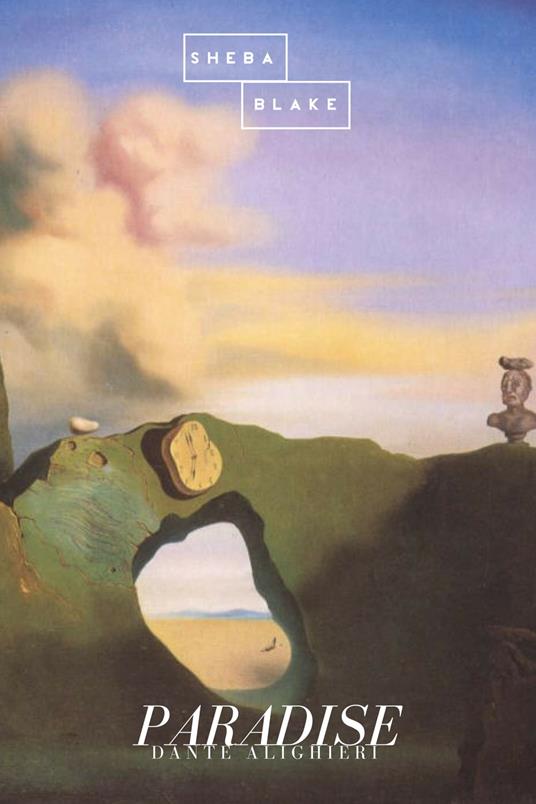
EBOOK IN LINGUA STRANIERA





Paradise

3,99 €
+40
punti 
Venditore: Feltrinelli

Acquista online
Scaricabile subito
Articolo acquistabile con Carta del Docente

Articolo acquistabile con Carta Cultura Giovani e Carta del Merito

Articolo acquistabile con Carta della Cultura

Abbonati a Kobo plus per avere accesso illimitato a questo contenuto

Dati e Statistiche
 Salvato in 0 liste dei desideri
Salvato in 0 liste dei desideri
Paradise
Scaricabile subito
3,99 €
3,99 €
Scaricabile subito
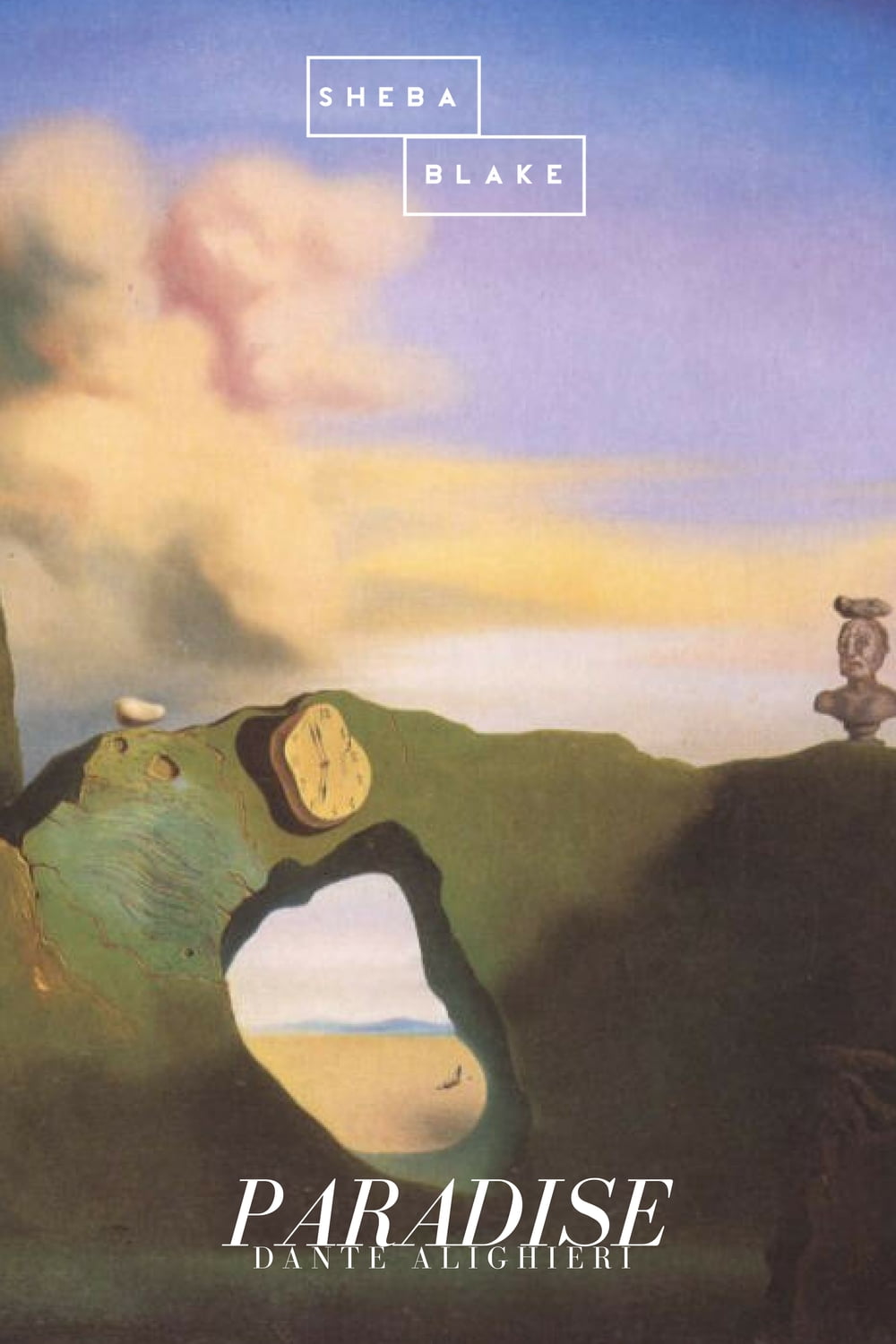


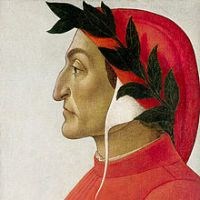
Paradise is the third and final part of Dante's Divine Comedy, following the Inferno and the Purgatory. It is an allegory telling of Dante's journey through Heaven, guided by Beatrice, who symbolises theology. In the poem, Paradise is depicted as a series of concentric spheres surrounding the Earth, consisting of the Moon, Mercury, Venus, the Sun, Mars, Jupiter, Saturn, the Fixed Stars, the Primum Mobile and finally, the Empyrean. It was written in the early 14th century. Allegorically, the poem represents the soul's ascent to God. The Paradise begins at the top of Mount Purgatory, called the Earthly Paradise (i.e. the Garden of Eden), at noon on Wednesday, March 30 (or April 13), 1300, following Easter Sunday. Dante's journey through Paradise takes approximately twenty-four hours, which indicates that the entire journey of the Divine Comedy has taken one week, Thursday evening (Inferno I and II) to Thursday evening. After ascending through the sphere of fire believed to exist in the earth's upper atmosphere (Canto I), Beatrice guides Dante through the nine celestial spheres of Heaven, to the Empyrean, which is the abode of God. The nine spheres are concentric, as in the standard medieval geocentric model of cosmology, which was derived from Ptolemy. The Empyrean is non-material. As with his Purgatory, the structure of Dante's Heaven is therefore of the form 9+1=10, with one of the ten regions different in nature from the other nine. During the course of his journey, Dante meets and converses with several blessed souls. He is careful to say that these all actually live in bliss with God in the Empyrean: "But all those souls grace the Empyrean; and each of them has gentle life though some sense the Eternal Spirit more, some less." However, for Dante's benefit (and the benefit of his readers), he is "as a sign" shown various souls in planetary and stellar spheres that have some appropriate connotation.
-
Autore:
-
Anno edizione:2017
-
Editore:
-
Formato:
-
Lingua:Inglese
Compatibilità:
Tutti i dispositivi (eccetto Kindle) Scopri di più
Layout:
Reflowable
EAN:
9783961895175

Formato:
Gli eBook venduti da Feltrinelli.it sono in formato ePub e possono essere protetti da Adobe DRM. In caso di download di un file protetto da DRM si otterrà un file in formato .acs, (Adobe Content Server Message), che dovrà essere aperto tramite Adobe Digital Editions e autorizzato tramite un account Adobe, prima di poter essere letto su pc o trasferito su dispositivi compatibili.
Cloud:
Gli eBook venduti da Feltrinelli.it sono sincronizzati automaticamente su tutti i client di lettura Kobo successivamente all’acquisto. Grazie al Cloud Kobo i progressi di lettura, le note, le evidenziazioni vengono salvati e sincronizzati automaticamente su tutti i dispositivi e le APP di lettura Kobo utilizzati per la lettura.
Clicca qui per sapere come scaricare gli ebook utilizzando un pc con sistema operativo Windows
