










EBOOK IN LINGUA STRANIERA





The Phallus

21,41 €
+210
punti 
Venditore: Feltrinelli

Acquista online
Scaricabile subito
Articolo acquistabile con Carta del Docente

Articolo acquistabile con Carta Cultura Giovani e Carta del Merito

Articolo acquistabile con Carta della Cultura

Dati e Statistiche
 Salvato in 0 liste dei desideri
Salvato in 0 liste dei desideri
The Phallus
Scaricabile subito
21,41 €
21,41 €
Scaricabile subito

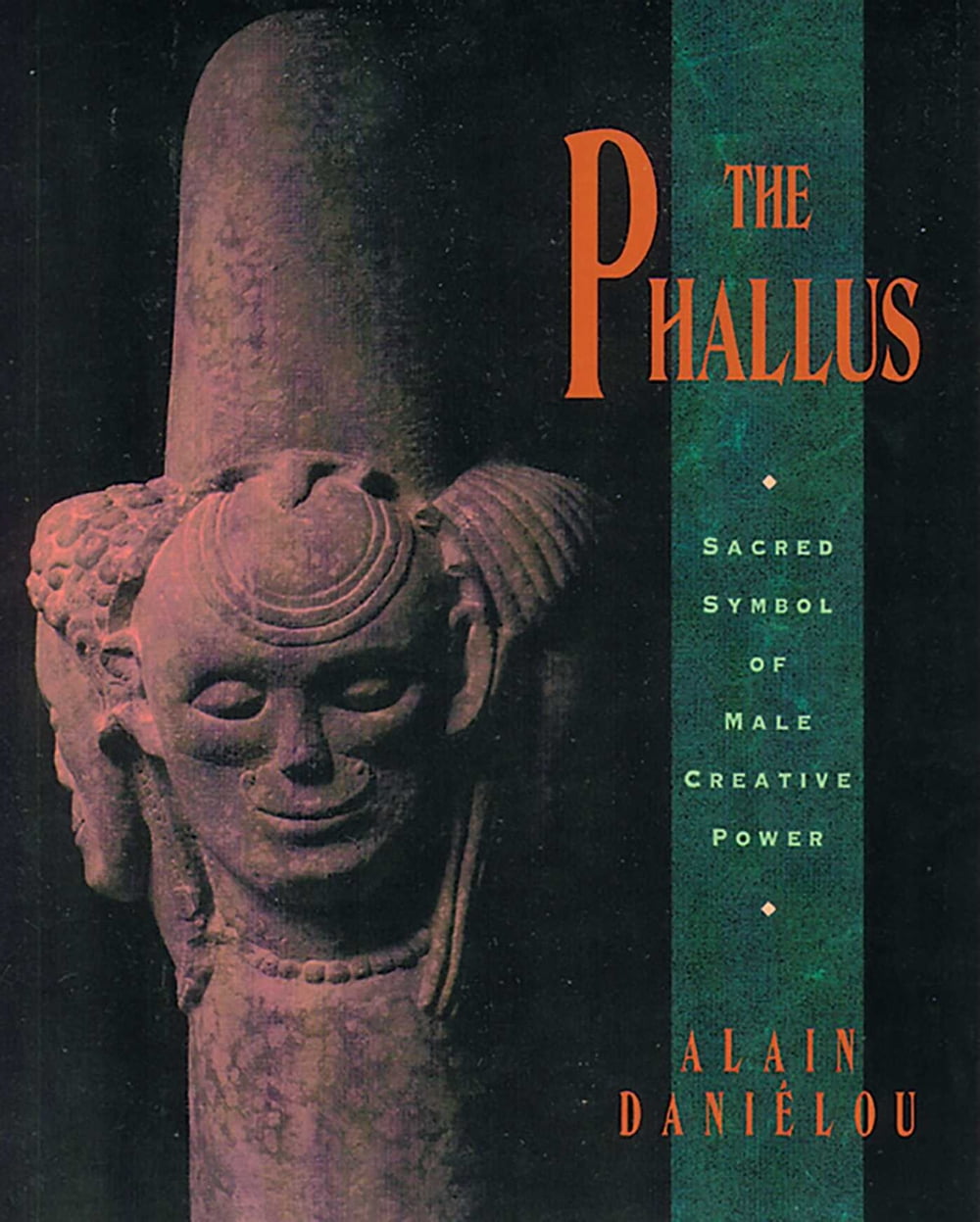



Beginning with an overview of the symbolism of creative forces in general, The Phallus first examines the representation of male fertility in such forms as the menhirs or standing stones of prehistoric Europe; the Mahalinga and Svayambhu of India; and the ancient Greek Omphalos. The second part of the book surveys the presence of ithyphallic gods in archaic shamanistic religions (the Lord of the Animals), the Greek pantheon (Hermes, Priapus), and the Hindu deities (Ardhanarishvara, the androgyne). Danielou also explores the role of Shaivist and Dionysian initiatory rites in bringing men into communion with the creative forces of life. Illustrated throughout with photographs and line drawings of European and Indian art, The Phallus celebrates the expression of the masculine in the religious traditions of East and West. Phallic imagery, in one form or another, may be found in the artistic traditions of virtually every world culture since prehistoric times. Alain Danielou here unveils the religious impulse underlying art that at first glance seems to have no purpose beyond the erotic.
-
Autore:
-
Anno edizione:2000
-
Editore:
-
Formato:
-
Lingua:Inglese
Compatibilità:
Tutti i dispositivi (eccetto Kindle) Scopri di più
Layout:
Reflowable
EAN:
9781594777318


Formato:
Gli eBook venduti da Feltrinelli.it sono in formato ePub e possono essere protetti da Adobe DRM. In caso di download di un file protetto da DRM si otterrà un file in formato .acs, (Adobe Content Server Message), che dovrà essere aperto tramite Adobe Digital Editions e autorizzato tramite un account Adobe, prima di poter essere letto su pc o trasferito su dispositivi compatibili.
Cloud:
Gli eBook venduti da Feltrinelli.it sono sincronizzati automaticamente su tutti i client di lettura Kobo successivamente all’acquisto. Grazie al Cloud Kobo i progressi di lettura, le note, le evidenziazioni vengono salvati e sincronizzati automaticamente su tutti i dispositivi e le APP di lettura Kobo utilizzati per la lettura.
Clicca qui per sapere come scaricare gli ebook utilizzando un pc con sistema operativo Windows
