










EBOOK IN LINGUA STRANIERA





Re/Imagining Depression

102,95 €
+1030
punti 
Venditore: Feltrinelli

Acquista online
Scaricabile subito
Articolo acquistabile con Carta del Docente

Articolo acquistabile con Carta Cultura Giovani e Carta del Merito

Articolo acquistabile con Carta della Cultura

Dati e Statistiche
 Salvato in 0 liste dei desideri
Salvato in 0 liste dei desideri
Re/Imagining Depression
Scaricabile subito
102,95 €
102,95 €
Scaricabile subito
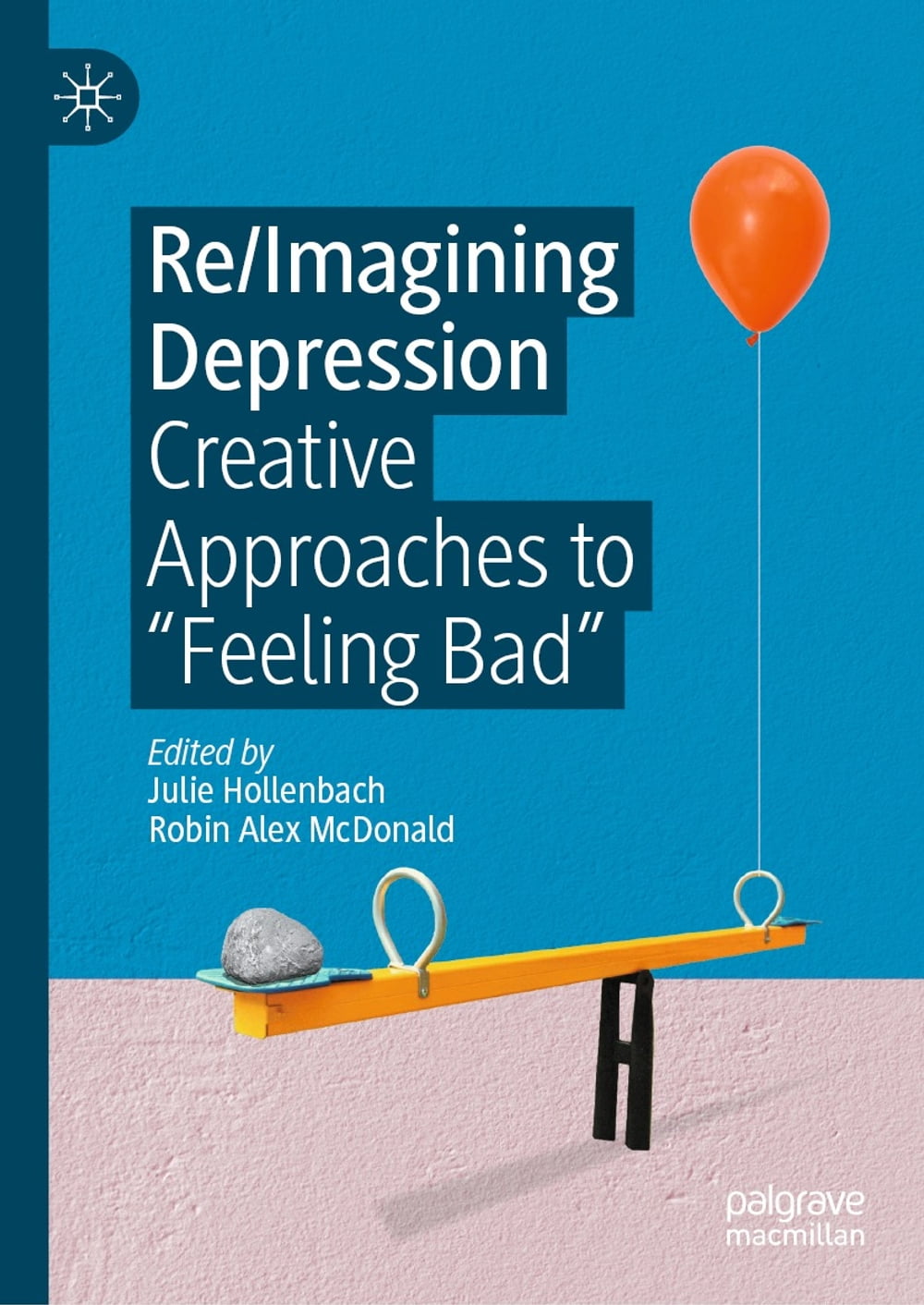


What is depression? An “imagined sun, bright and black at the same time?” A “noonday demon?” In literature, poetry, comics, visual art, and film, we witness new conceptualizations of depression come into being. Unburdened by diagnostic criteria and pharmaceutical politics, these media employ imagery, narrative, symbolism, and metaphor to forge imaginative, exploratory, and innovative representations of a range of experiences that might get called “depression.” Texts such as Julia Kristeva’s Black Sun: Depression and Melancholia (1989), Andrew Solomon’s The Noonday Demon (2000), Allie Brosh’s cartoons, “Adventures in Depression” (2011) and “Depression Part Two” (2013), and Lars von Trier’s film Melancholia (2011) each offer portraits of depression that deviate from, or altogether reject, the dominant language of depression that has been articulated by and within psychiatry. Most recently, Ann Cvetkovich’s Depression: A Public Feeling (2012) has answered the author’s own call for a multiplication of discourses on depression by positing crafting as one possible method of working through depression-as-“impasse.” Inspired by Cvetkovich’s efforts to re-shape the depressive experience itself and the critical ways in which we communicate this experience to others, Re/Imagining Depression: Creative Approaches to “Feeling Bad” harnesses critical theory, gender studies, critical race theory, affect theory, visual art, performance, film, television, poetry, literature, comics, and other media to generate new paradigms for thinking about the depressive experience. Through a combination of academic essays, prose, poetry, and interviews, this anthology aims to destabilize the idea of the mental health “expert” to instead demonstrate the diversity of affects, embodiments, rituals and behaviors that are often collapsed under the singular rubric of “depression.”
-
Curatore:
-
Anno edizione:2021
-
Editore:
-
Formato:
Lingua:
Inglese
Compatibilità:
Tutti i dispositivi (eccetto Kindle) Scopri di più
Layout:
Reflowable
EAN:
9783030805548

Formato:
Gli eBook venduti da Feltrinelli.it sono in formato ePub e possono essere protetti da Adobe DRM. In caso di download di un file protetto da DRM si otterrà un file in formato .acs, (Adobe Content Server Message), che dovrà essere aperto tramite Adobe Digital Editions e autorizzato tramite un account Adobe, prima di poter essere letto su pc o trasferito su dispositivi compatibili.
Cloud:
Gli eBook venduti da Feltrinelli.it sono sincronizzati automaticamente su tutti i client di lettura Kobo successivamente all’acquisto. Grazie al Cloud Kobo i progressi di lettura, le note, le evidenziazioni vengono salvati e sincronizzati automaticamente su tutti i dispositivi e le APP di lettura Kobo utilizzati per la lettura.
Clicca qui per sapere come scaricare gli ebook utilizzando un pc con sistema operativo Windows
