










EBOOK IN LINGUA STRANIERA





Restoring Identities

27,13 €
+270
punti 
Venditore: Feltrinelli

Acquista online
Scaricabile subito
Articolo acquistabile con Carta del Docente

Articolo acquistabile con Carta Cultura Giovani e Carta del Merito

Articolo acquistabile con Carta della Cultura

Abbonati a Kobo plus per avere accesso illimitato a questo contenuto

Dati e Statistiche
 Salvato in 0 liste dei desideri
Salvato in 0 liste dei desideri
Restoring Identities
Scaricabile subito
27,13 €
27,13 €
Scaricabile subito
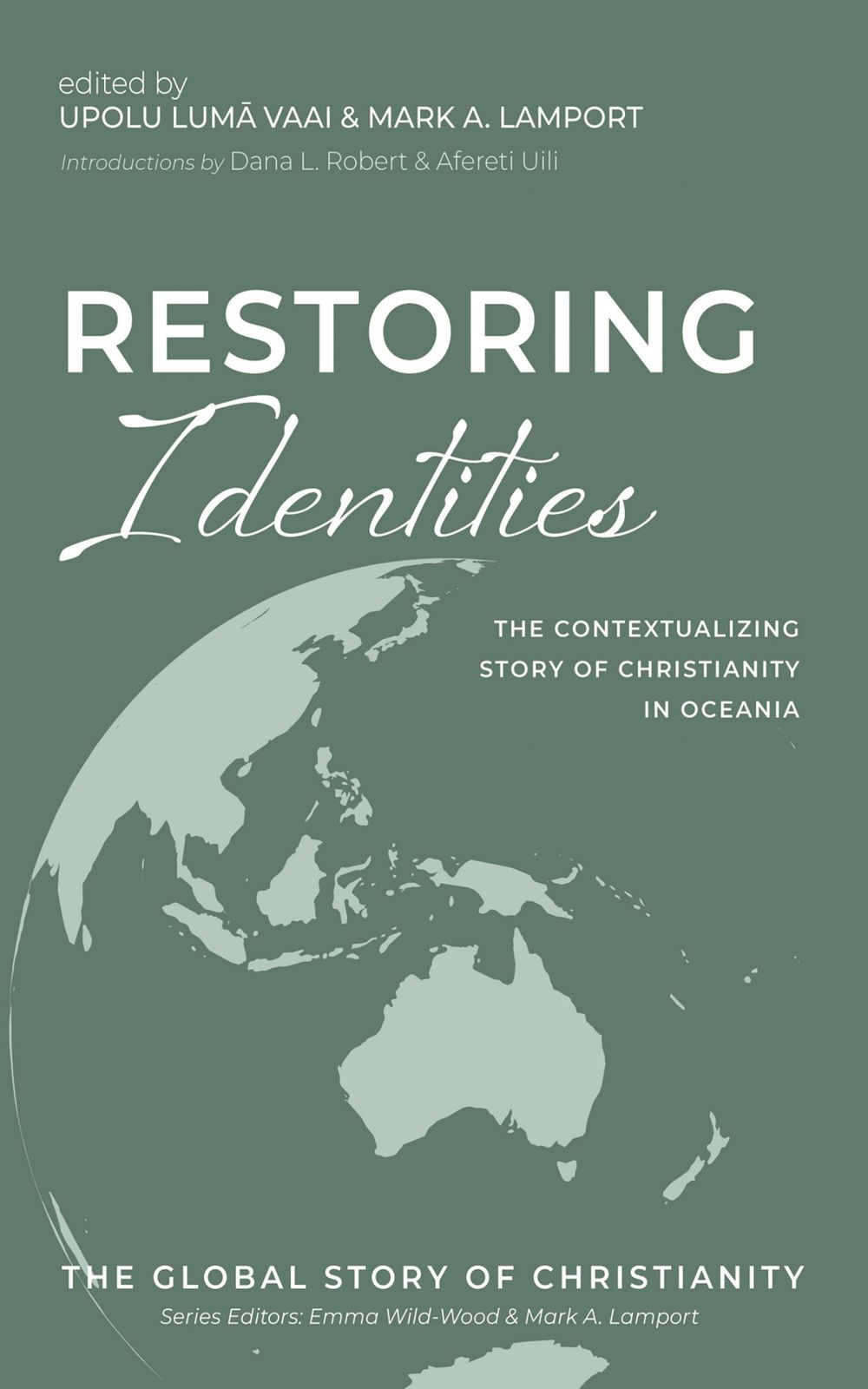


In a sense, Oceania can be considered a microcosm of World Christianity. Within this region are many of the same observable trends on the global level that impact Christian life, faith, and witness. The geography of Oceania--the "liquid continent"--is unique. Christianity arrived in Australia and New Zealand in the late eighteenth century via British colonial powers. Indigenous Aboriginal peoples, Torres Strait Islanders, and Maori peoples were dispossessed of land, property, rights, and dignity. Christianity grew by migration and conversion (not always voluntary), and over time became tightly intertwined with culture. In the twentieth century, rapid secularization moved Christianity into the private sphere, and by 2020 Christian affiliation had dropped from 97 percent to 57 percent. However, the history of Christianity in the Pacific Islands--Melanesia, Micronesia, and Polynesia--is quite different. Christianity arrived via Protestant and Catholic missionaries between the fifteenth and nineteenth centuries and grew substantially in the twentieth century largely due to indigenous Christian efforts. Islanders brought Christianity to neighboring islands, indigenous theologies developed, and churches gradually separated from their Western mission founders. One of the great "success stories" of World Christianity is Papua New Guinea, which grew from just 4 percent Christian in 1900 to 95 percent in 2020. However, growth is never the entire story. Violence against women is endemic in Papua New Guinea and is often combined with accusations of witchcraft. An estimated 59 percent of women have experienced physical or sexual violence in their lifetime (and 48 percent in the last year). As Christianity continues its shift to the global South, it becomes increasingly critical to heed the experiences, perspectives, and theologies of Christians, particularly women, in the Pacific Islands.
-
Curatore:
-
Anno edizione:2023
-
Editore:
-
Formato:
Lingua:
Inglese
Compatibilità:
Tutti i dispositivi (eccetto Kindle) Scopri di più
Layout:
Reflowable
EAN:
9781666720976

Formato:
Gli eBook venduti da Feltrinelli.it sono in formato ePub e possono essere protetti da Adobe DRM. In caso di download di un file protetto da DRM si otterrà un file in formato .acs, (Adobe Content Server Message), che dovrà essere aperto tramite Adobe Digital Editions e autorizzato tramite un account Adobe, prima di poter essere letto su pc o trasferito su dispositivi compatibili.
Cloud:
Gli eBook venduti da Feltrinelli.it sono sincronizzati automaticamente su tutti i client di lettura Kobo successivamente all’acquisto. Grazie al Cloud Kobo i progressi di lettura, le note, le evidenziazioni vengono salvati e sincronizzati automaticamente su tutti i dispositivi e le APP di lettura Kobo utilizzati per la lettura.
Clicca qui per sapere come scaricare gli ebook utilizzando un pc con sistema operativo Windows
