










EBOOK IN LINGUA STRANIERA





Rethinking Infrastructure Design for Multi-Use Water Services

46,79 €
+470
punti 
Venditore: Feltrinelli

Acquista online
Scaricabile subito
Articolo acquistabile con Carta del Docente

Articolo acquistabile con Carta Cultura Giovani e Carta del Merito

Articolo acquistabile con Carta della Cultura

Dati e Statistiche
 Salvato in 0 liste dei desideri
Salvato in 0 liste dei desideri
Rethinking Infrastructure Design for Multi-Use Water Services
Scaricabile subito
46,79 €
46,79 €
Scaricabile subito

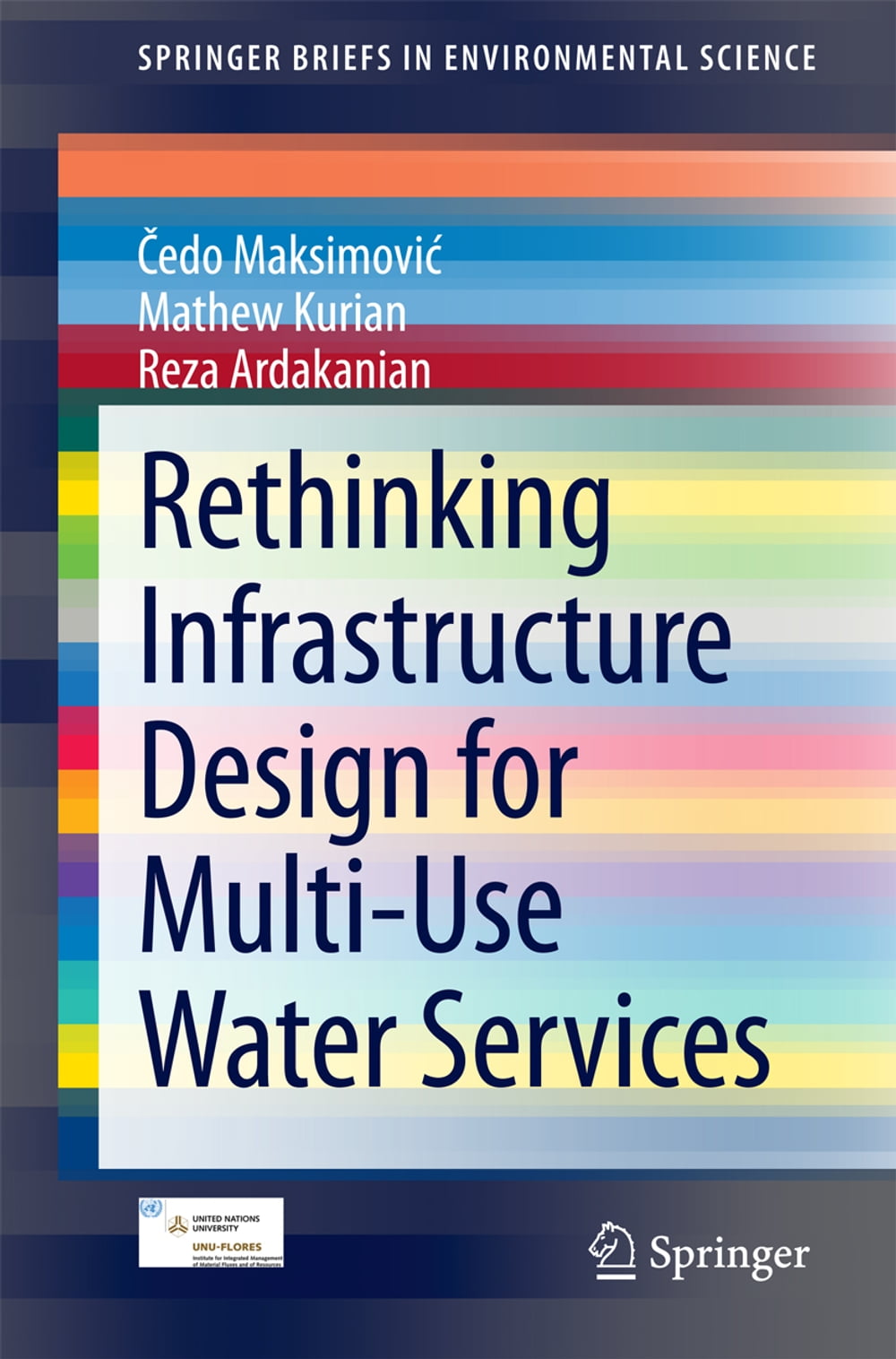



As we approach a historic tipping point in the global trend toward urbanisation – within two decades urban dwellers will increase from 49% to 60% of the planet’s population – this book identifies and addresses a critical problem: water. The editors show how cities can shift from being water consumers to resource managers, applying urban water management principles to ensure access to water and sanitation infrastructure and services; manage rainwater, wastewater, storm water drainage, and runoff pollution; control waterborne diseases and epidemics; and reduce the risk of such water-related hazards as floods, droughts and landslides. The book explores the Multiple-Use Water Services (MUS) paradigm, offering a section on the MUS approach and a means of calculating the value of MUS systems, as well as tools and resources to support decision-making. Case studies illustrate MUS in selected urban and rural contexts. Each case study breaks out the challenges, policy framework, benefits, benchmarks, lessons learned (success and failures) and potential next steps. The contributors consider the main options for applying the Multiple-Use Water Services (MUS) paradigm, breaking down its components and offering cost-benefit analyses along with challenges and considerations for both the short and long term. Also discussed are methods by which mutual interactions of water infrastructure and vegetated areas are taken into account in the synergy of spatial planning and optimised modelling of ecosystems’ performance indicators. This method of planning should make future developments cheaper to build; their users will pay lower utility bills for water, energy and heating. These developments will be more pleasant to live in and property value would likely be higher. The brief includes a section on the MUS approach and a means to calculate the value of MUS systems, as well as provides tools and resources to support decision-making. Case studies are included to illustrate MUS in selected urban and rural contexts. Each case study breaks out the challenges, policy framework, benefits, benchmarks, lessons learned (success and failures) and potential next steps.
-
Autore:
-
Anno edizione:2014
-
Editore:
-
Formato:
-
Lingua:Inglese
Compatibilità:
Tutti i dispositivi (eccetto Kindle) Scopri di più
Layout:
Reflowable
EAN:
9783319062754

Formato:
Gli eBook venduti da Feltrinelli.it sono in formato ePub e possono essere protetti da Adobe DRM. In caso di download di un file protetto da DRM si otterrà un file in formato .acs, (Adobe Content Server Message), che dovrà essere aperto tramite Adobe Digital Editions e autorizzato tramite un account Adobe, prima di poter essere letto su pc o trasferito su dispositivi compatibili.
Cloud:
Gli eBook venduti da Feltrinelli.it sono sincronizzati automaticamente su tutti i client di lettura Kobo successivamente all’acquisto. Grazie al Cloud Kobo i progressi di lettura, le note, le evidenziazioni vengono salvati e sincronizzati automaticamente su tutti i dispositivi e le APP di lettura Kobo utilizzati per la lettura.
Clicca qui per sapere come scaricare gli ebook utilizzando un pc con sistema operativo Windows
