










EBOOK IN LINGUA STRANIERA





Secondary Agriculture

140,39 €
+1400
punti 
Venditore: Feltrinelli

Acquista online
Scaricabile subito
Articolo acquistabile con Carta del Docente

Articolo acquistabile con Carta Cultura Giovani e Carta del Merito

Articolo acquistabile con Carta della Cultura

Dati e Statistiche
 Salvato in 0 liste dei desideri
Salvato in 0 liste dei desideri
Secondary Agriculture
Scaricabile subito
140,39 €
140,39 €
Scaricabile subito

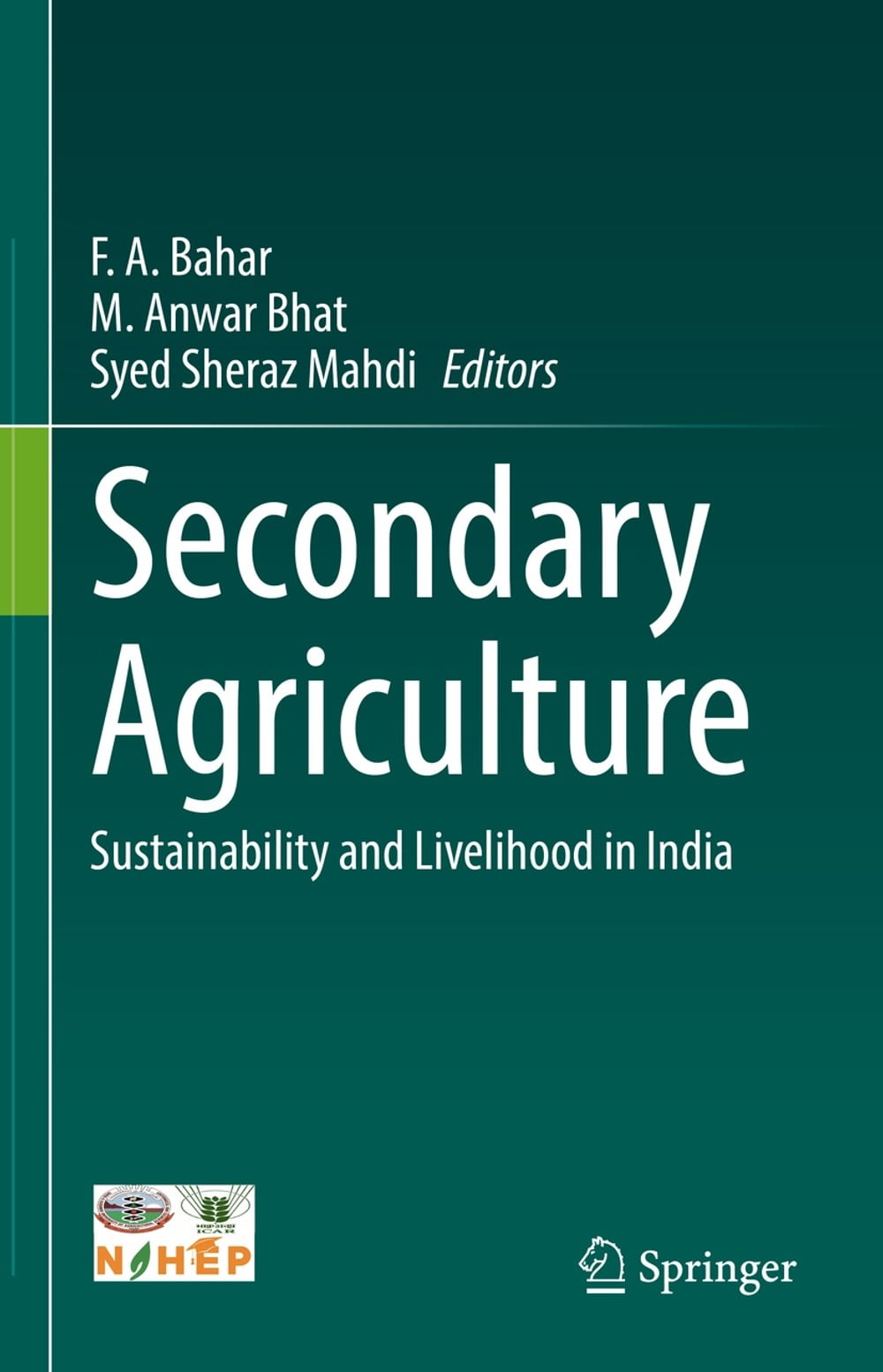


This book on ‘Secondary Agriculture’ discusses the goal of doubling farmers’ incomes. The term ‘secondary’ has a bearing on climate change adaptation and its mitigation, small farm viability and profitability, food security, nutrition, sustainable utilization of natural resources, and optimal usage of produce from primary agriculture and farm incomes. Promoting secondary agriculture has implications on attaining sustainable development goals, which aim to connect primary, secondary and tertiary sectors by using slack/idle factors of production, such as land and labour, contributing to primary agriculture production, capturing ‘value’ in primary agricultural activities, and generating additional income at the enterprise level. In context to same, the chapters of this book have been designed to promote secondary agriculture through low-cost skills and technology applications in agriculture and by upscaling knowledge via integrating primary, secondary and tertiary sectors of agriculture. The motivation behind this book is to address the challenges of biotic and abiotic stresses facing the farming community; to increase farmers income through low-cost skills and technology applications in agriculture; to upscale knowledge by integrating primary, secondary and tertiary sectors of agriculture. The food processing sector in India is still in a nascent stage with only 8 per cent of the produce being processed as against 80-98 per cent in case of high-income countries (Government of India, 2008, 2010). The food processing sector is now receiving the boost with the annual growth of 13.2 per cent in registered food processing units during 2004-10 (Government of India, 2011). Against this backdrop, there is a strong need to strategically handle the situation in order to facilitate a self-sustainable and long-run growth of the sector, which is felt possible by focusing on Secondary Agriculture. Though not a panacea for all ailments of the primary sector, but it can definitely drive the growth.
-
Curatore:
-
Anno edizione:2022
-
Editore:
-
Formato:
Lingua:
Inglese
Compatibilità:
Tutti i dispositivi (eccetto Kindle) Scopri di più
Layout:
Reflowable
EAN:
9783031092183

Formato:
Gli eBook venduti da Feltrinelli.it sono in formato ePub e possono essere protetti da Adobe DRM. In caso di download di un file protetto da DRM si otterrà un file in formato .acs, (Adobe Content Server Message), che dovrà essere aperto tramite Adobe Digital Editions e autorizzato tramite un account Adobe, prima di poter essere letto su pc o trasferito su dispositivi compatibili.
Cloud:
Gli eBook venduti da Feltrinelli.it sono sincronizzati automaticamente su tutti i client di lettura Kobo successivamente all’acquisto. Grazie al Cloud Kobo i progressi di lettura, le note, le evidenziazioni vengono salvati e sincronizzati automaticamente su tutti i dispositivi e le APP di lettura Kobo utilizzati per la lettura.
Clicca qui per sapere come scaricare gli ebook utilizzando un pc con sistema operativo Windows
