









EBOOK IN LINGUA STRANIERA





Self-Consciousness and "Split" Brains

70,71 €
+710
punti 
Venditore: Feltrinelli

Acquista online
Scaricabile subito
Articolo acquistabile con Carta del Docente

Articolo acquistabile con Carta Cultura Giovani e Carta del Merito

Articolo acquistabile con Carta della Cultura

Dati e Statistiche
 Salvato in 0 liste dei desideri
Salvato in 0 liste dei desideri
Self-Consciousness and "Split" Brains
Scaricabile subito
70,71 €
70,71 €
Scaricabile subito
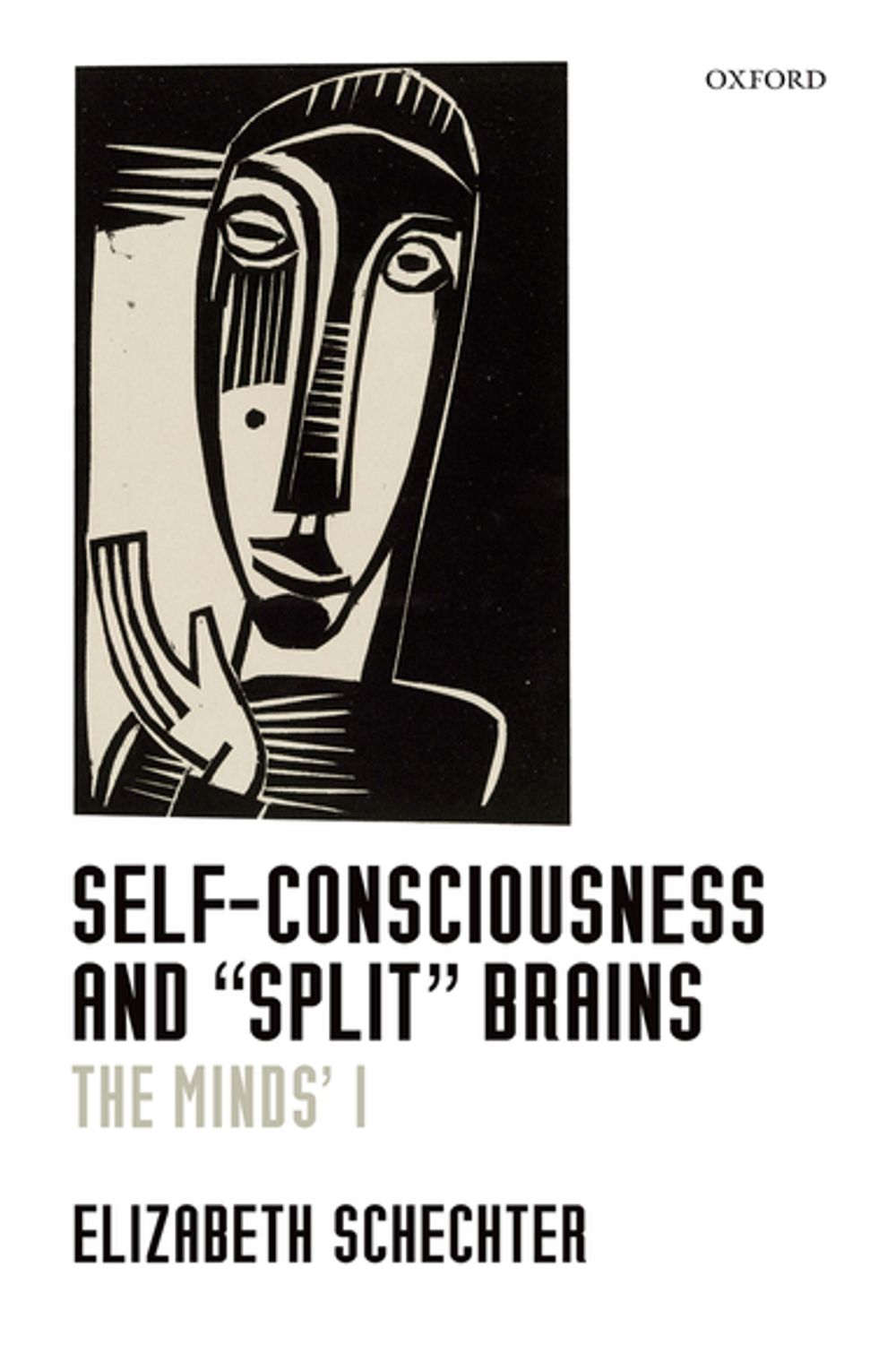


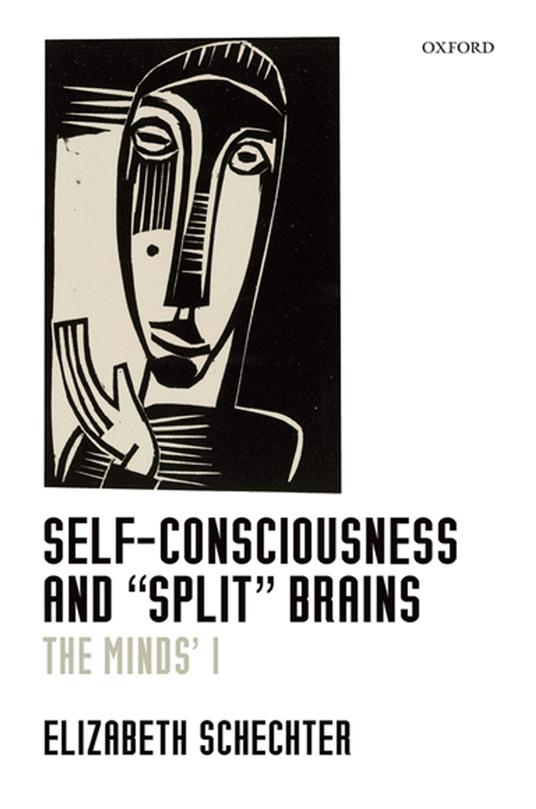
Could a single human being ever have multiple conscious minds? Some human beings do. The corpus callosum is a large pathway connecting the two hemispheres of the brain. In the second half of the twentieth century a number of people had this pathway cut through as a treatment for epilepsy. They became colloquially known as split-brain subjects. After the two hemispheres of the brain are cortically separated in this way, they begin to operate unusually independently of each other in the realm of thought, action, and conscious experience, almost as if each hemisphere now had a mind of its own. Philosophical discussion of the split-brain cases has overwhelmingly focused on questions of psychological identity in split-brain subjects, questions like: how many subjects of experience is a split-brain subject? How many intentional agents? How many persons? On the one hand, under experimental conditions, split-brain subjects often act in ways difficult to understand except in terms of each of them having two distinct streams or centers of consciousness. Split-brain subjects thus evoke the duality intuition: that a single split-brain human being is somehow composed of two thinking, experiencing, and acting things. On the other hand, a split-brain subject nonetheless seems like one of us, at the end of the day, rather than like two people sharing one body. In other words, split-brain subjects also evoke the unity intuition: that a split-brain subject is one person. Elizabeth Schechter argues that there are in fact two minds, subjects of experience, and intentional agents inside each split-brain human being: right and left. On the other hand, each split-brain subject is nonetheless one of us. The key to reconciling these two claims is to understand the ways in which each of us is transformed by self-consciousness.
-
Autore:
-
Anno edizione:2018
-
Editore:
-
Formato:
-
Lingua:Inglese
Compatibilità:
Tutti i dispositivi (eccetto Kindle) Scopri di più
Layout:
Reflowable
EAN:
9780192537515

Formato:
Gli eBook venduti da Feltrinelli.it sono in formato ePub e possono essere protetti da Adobe DRM. In caso di download di un file protetto da DRM si otterrà un file in formato .acs, (Adobe Content Server Message), che dovrà essere aperto tramite Adobe Digital Editions e autorizzato tramite un account Adobe, prima di poter essere letto su pc o trasferito su dispositivi compatibili.
Cloud:
Gli eBook venduti da Feltrinelli.it sono sincronizzati automaticamente su tutti i client di lettura Kobo successivamente all’acquisto. Grazie al Cloud Kobo i progressi di lettura, le note, le evidenziazioni vengono salvati e sincronizzati automaticamente su tutti i dispositivi e le APP di lettura Kobo utilizzati per la lettura.
Clicca qui per sapere come scaricare gli ebook utilizzando un pc con sistema operativo Windows
