










EBOOK IN LINGUA STRANIERA





Translating Happiness

19,33 €
+190
punti 
Venditore: Feltrinelli

Acquista online
Scaricabile subito
Articolo acquistabile con Carta del Docente

Articolo acquistabile con Carta Cultura Giovani e Carta del Merito

Articolo acquistabile con Carta della Cultura

Dati e Statistiche
 Salvato in 0 liste dei desideri
Salvato in 0 liste dei desideri
Translating Happiness
Scaricabile subito
19,33 €
19,33 €
Scaricabile subito

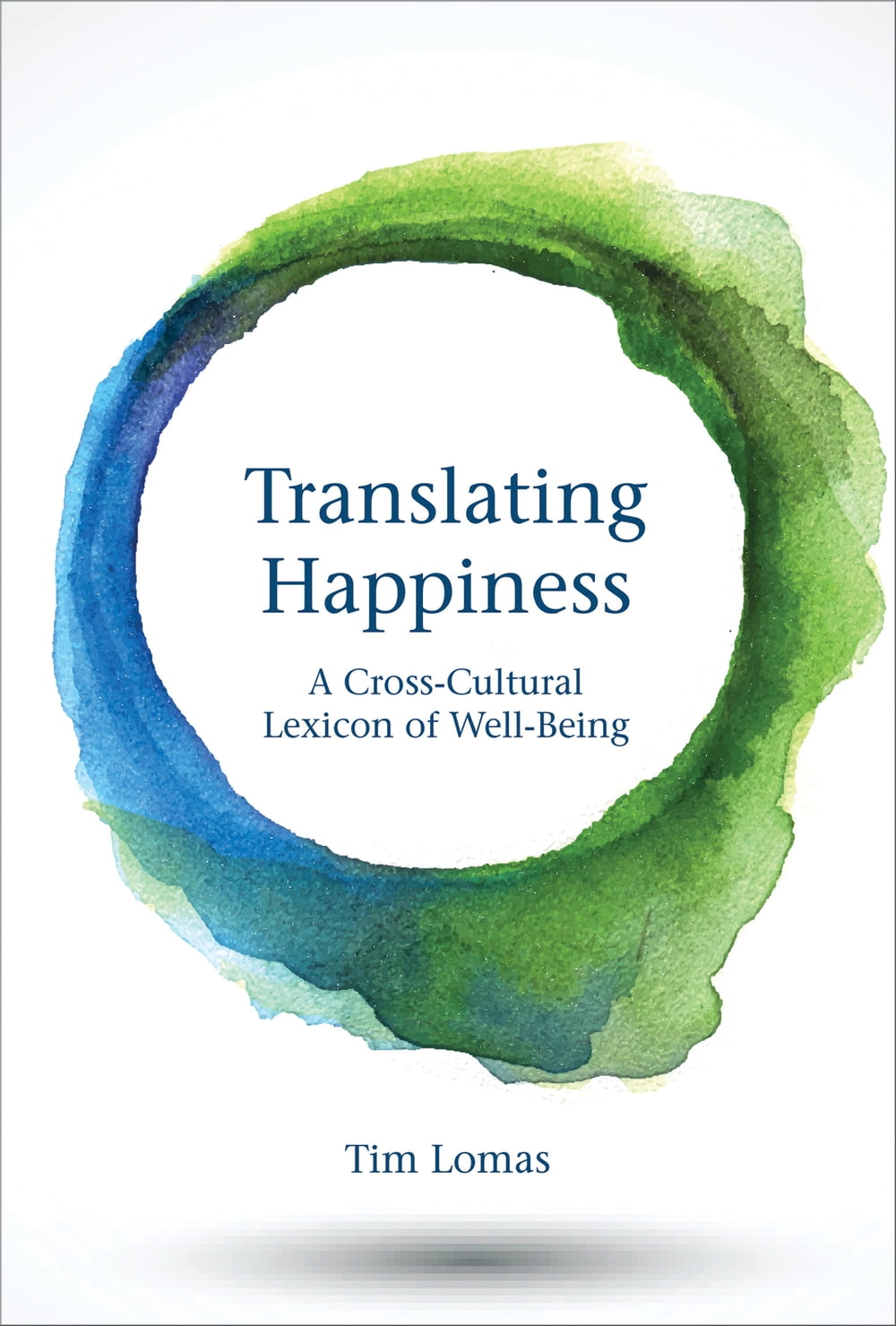



How embracing untranslatable terms for well-being—from the Finnish sisu to the Yiddish mensch—can enrich our emotional understanding and experience. Western psychology is rooted in the philosophies and epistemologies of Western culture. But what of concepts and insights from outside this frame of reference? Certain terms not easily translatable into English—for example, nirva?a (from Sanskrit), or agápe (from Classical Greek), or turangawaewae (from Maori)—are rich with meaning but largely unavailable to English-speaking students and seekers of wellbeing. In this book, Tim Lomas argues that engaging with “untranslatable” terms related to well-being can enrich not only our understanding but also our experience. We can use these words, Lomas suggests, to understand and express feelings and experiences that were previously inexpressible. Lomas examines 400 words from 80 languages, arranges them thematically, and develops a theoretical framework that highlights the varied dimensions of well-being and traces the connections between them. He identifies three basic dimensions of well-being—feelings, relationships, and personal development—and then explores each in turn through untranslatable words. Ânanda, for example, usually translated as bliss, can have spiritual associations in Buddhist and Hindu contexts; kefi in Greek expresses an intense emotional state—often made more intense by alcohol. The Japanese concept of koi no yokan means a premonition or presentiment of love, capturing the elusive and vertiginous feeling of being about to fall for someone, imbued with melancholy and uncertainty; the Yiddish term mensch has been borrowed from its Judaic and religious connotations to describe an all-around good human being; and Finnish offers sisu—inner determination in the face of adversity. Expanding the lexicon of well-being in this way showcases the richness of cultural diversity while reminding us powerfully of our common humanity. Lomas's website, www.drtimlomas. com/lexicography, allows interested readers to contribute their own words and interpretations.
-
Autore:
-
Anno edizione:2018
-
Editore:
-
Formato:
-
Lingua:Inglese
Compatibilità:
Tutti i dispositivi (eccetto Kindle) Scopri di più
Layout:
Reflowable
EAN:
9780262344647

Formato:
Gli eBook venduti da Feltrinelli.it sono in formato ePub e possono essere protetti da Adobe DRM. In caso di download di un file protetto da DRM si otterrà un file in formato .acs, (Adobe Content Server Message), che dovrà essere aperto tramite Adobe Digital Editions e autorizzato tramite un account Adobe, prima di poter essere letto su pc o trasferito su dispositivi compatibili.
Cloud:
Gli eBook venduti da Feltrinelli.it sono sincronizzati automaticamente su tutti i client di lettura Kobo successivamente all’acquisto. Grazie al Cloud Kobo i progressi di lettura, le note, le evidenziazioni vengono salvati e sincronizzati automaticamente su tutti i dispositivi e le APP di lettura Kobo utilizzati per la lettura.
Clicca qui per sapere come scaricare gli ebook utilizzando un pc con sistema operativo Windows
