










EBOOK IN LINGUA STRANIERA





Word Formation in Parallel Architecture

46,79 €
+470
punti 
Venditore: Feltrinelli

Acquista online
Scaricabile subito
Articolo acquistabile con Carta del Docente

Articolo acquistabile con Carta Cultura Giovani e Carta del Merito

Articolo acquistabile con Carta della Cultura

Dati e Statistiche
 Salvato in 0 liste dei desideri
Salvato in 0 liste dei desideri
Word Formation in Parallel Architecture
Scaricabile subito
46,79 €
46,79 €
Scaricabile subito

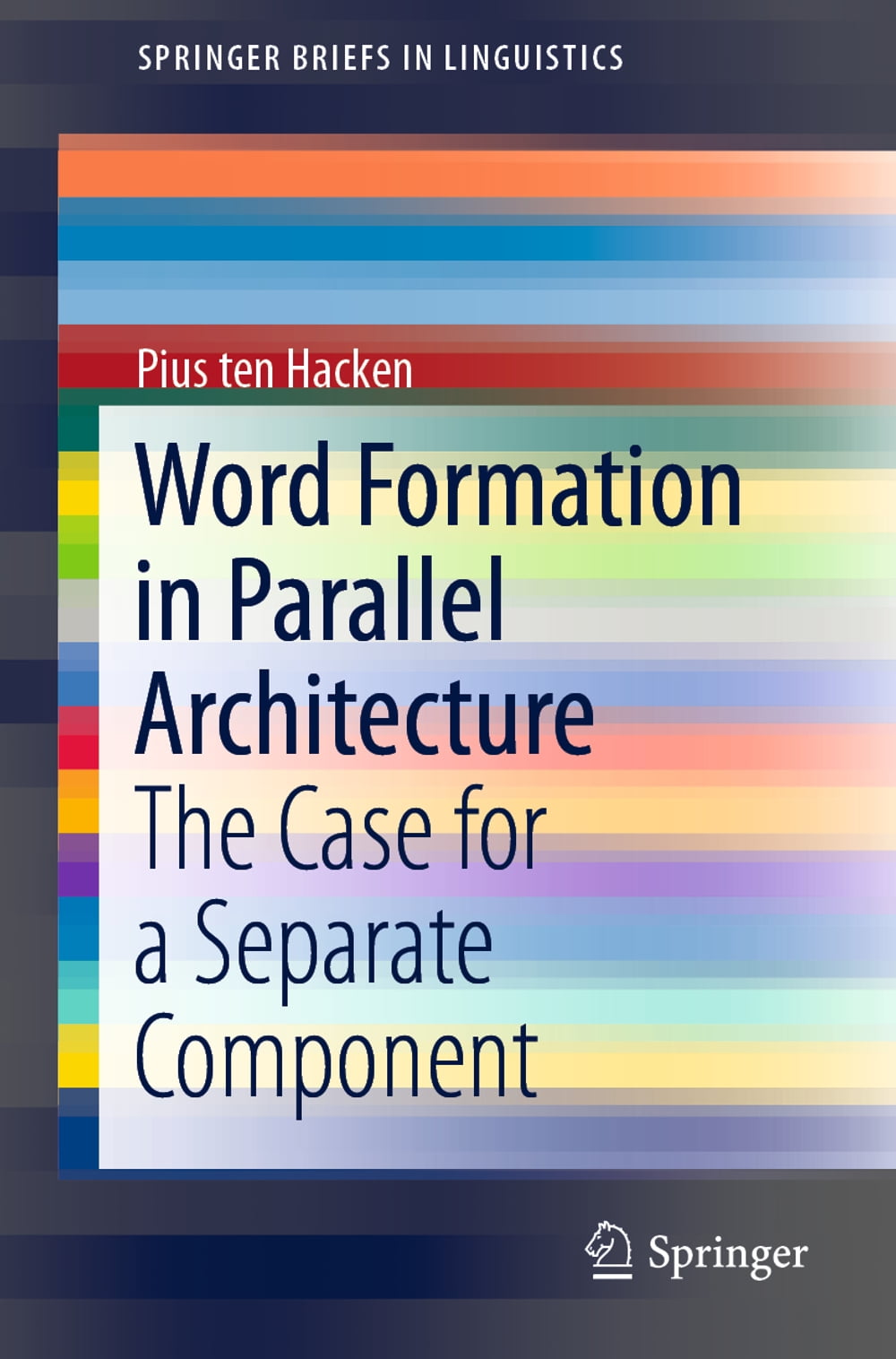



This book aims to reconcile the generative considerations of Jackendoff’s Parallel Architecture (PA) with the European structuralist approach to naming. It shows that there are good reasons to single out word formation as a separate component in PA. It demonstrates that it is a drawback not to distinguish word formation, and explains that the function of word formation rules is different from the function of the lexicon and rules of grammar. After making the argument for a separate word formation component, the book sets out to determine which types of rule qualify as part of this component. Traditionally, the boundaries of word formation with inflection and with syntax have been a matter of debate. By focusing on the naming function, the book poses a guiding principle for determining which rules should be in the word formation component. The position of morphology in the architecture of grammar has always been an issue of debate in generative linguistics. Since Chomsky (1970), thisquestion has been framed in terms of the Lexicalist Hypothesis. Compared to Chomsky’s architectures, Jackendoff’s Parallel Architecture places phonetic and conceptual structures at the same level as syntactic structure, i.e. connected by bidirectional linking rules rather than interpretation rules. One of the consequences is that PA does not formally distinguish lexicon entries from rules of grammar. This changes the setting for the question of the autonomy of morphology, because the Lexicalist Hypothesis depends on this distinction.
-
Autore:
-
Anno edizione:2019
-
Editore:
-
Formato:
-
Lingua:Inglese
Compatibilità:
Tutti i dispositivi (eccetto Kindle) Scopri di più
Layout:
Reflowable
EAN:
9783030180096

Formato:
Gli eBook venduti da Feltrinelli.it sono in formato ePub e possono essere protetti da Adobe DRM. In caso di download di un file protetto da DRM si otterrà un file in formato .acs, (Adobe Content Server Message), che dovrà essere aperto tramite Adobe Digital Editions e autorizzato tramite un account Adobe, prima di poter essere letto su pc o trasferito su dispositivi compatibili.
Cloud:
Gli eBook venduti da Feltrinelli.it sono sincronizzati automaticamente su tutti i client di lettura Kobo successivamente all’acquisto. Grazie al Cloud Kobo i progressi di lettura, le note, le evidenziazioni vengono salvati e sincronizzati automaticamente su tutti i dispositivi e le APP di lettura Kobo utilizzati per la lettura.
Clicca qui per sapere come scaricare gli ebook utilizzando un pc con sistema operativo Windows
